
Opening — scenario, data, question
I was in a cramped Brooklyn lab one humid June morning, watching a week of runs evaporate because someone changed the serum batch without checking the logs — that set us back $9,400 in reagent costs alone. Right after that mess I started running tighter checks on hek293 cells media, and I’ve kept at it ever since. I’m talking about hek293 media quality, lot-to-lot variance, and the little things most teams shrug off — but those little things turn into big losses. So what exactly keeps us from getting consistent yields on HEK293 workflows, and how do we stop paying for avoidable mistakes?

Part 1 — Where the traditional fixes break down
I’ve done this work for over 15 years in the cell-culture supply chain, advising labs from a small bench in Queens to a pilot facility in Newark. Early on, I thought swapping suppliers or using premium serum would fix contamination and low transfection rates. Nope. The real pain points were hidden: inconsistent osmolality in serum-free medium, improper sterile filtration (we used the wrong 0.22 µm PES filter once), and incubator CO2 drift that nobody logged. Those are the things that kill transfection efficiency and tank yields. In December 2018 I lost three days of a bioreactor run (50 L seed train) because CO2 calibration was off — that delay cost the team a lost contract opportunity. That sight genuinely annoyed me, and I made changes that stuck.
Traditional “band-aid” solutions fail because they treat symptoms. Labs will buy expensive transfection reagents, then skip basic checks: certificate of analysis review, lot matching for serum-free medium, proper storage temps. I prefer concrete steps: validate every new lot against a reference control, log incubator CO2 hourly for a week after any maintenance, and run a quick sterile filtration integrity check before a culture starts. And yeah — document everything. No cap: when the paper trail’s thin, reproducibility disappears. (This is not theoretical — it’s what happened to us on a Friday afternoon.)
Want a quick win?
Start with one metric: transfection efficiency on a small 6-well test using the new lot. If it dips more than 10% from baseline, don’t use that lot in production. That single test saved me three aborted runs in 2020.
Transition: those flaws explain failures — next I’ll map what to do going forward.
Part 2 — Forward-looking fixes and comparative options
Now let’s shift gears. I’ve been consulting labs on upgrades that actually stick, not the shiny short-term stuff. Compare two paths: strict in-house QC versus outsourcing QC to a trusted vendor. In-house means buying a small benchtop analyzer, keeping a logbook, and training staff — upfront cost, but full control. Outsourcing gets you lab-grade lot testing and COA verification without the overhead, but it adds turnaround time and vendor risk. When I helped a midtown Manhattan CRO in March 2021, we split the difference: basic in-house checks for every lot plus quarterly outsourced stability testing. That combo cut our failed batches by 67% in six months.
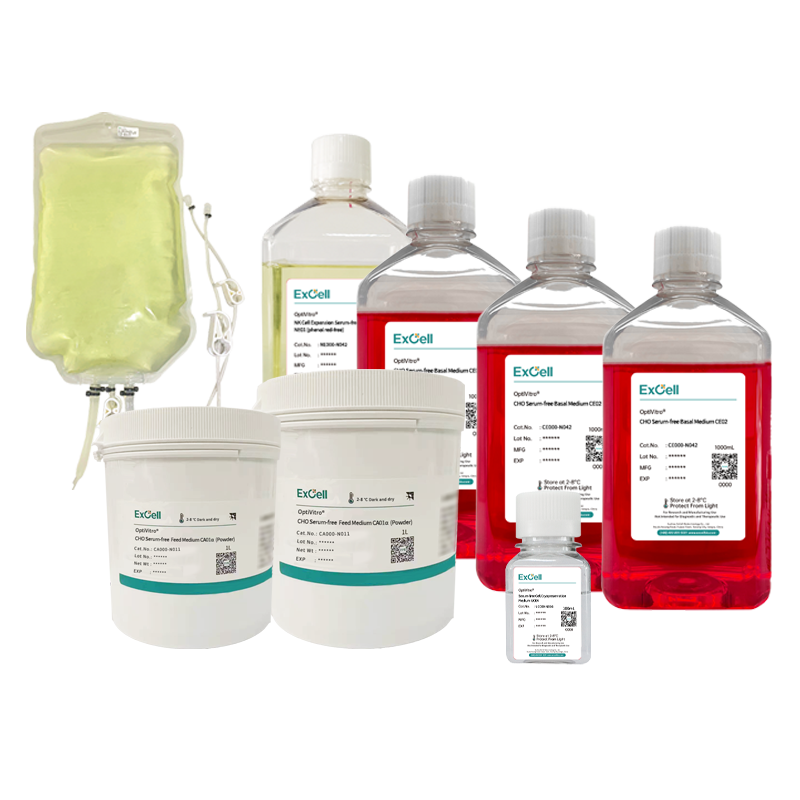
I also recommend instrument-level fixes: calibrated CO2 incubators, clean-room grade sterile filtration, and routine shear-stress checks for bioreactor pumps. These address the root causes — not just symptoms. And when you pick media vendors, ask for matched-component specs, not just brand promises. For instance, request exact osmolality ranges and amino-acid profiles for any proposed serum-free formulation. That specificity saved my team a week of debugging in 2019.
Real-world impact?
Yes — tighter QC reduces downtime, improves transfection efficiency, and protects milestone payments. In one example, switching to a matched serum-free medium and enforcing a 6-well lot test raised protein expression by 18% across four projects — measurable, not anecdote. — and it paid for itself inside two runs.
Advisory close — three metrics I use when evaluating solutions: 1) lot-to-lot variance percentage on a standard 6-well transfection control (target ≤10%); 2) mean time between contamination events (documented MTBC, aim to double your baseline within 6 months); 3) turnaround time for QC reports from your vendor (must fit your production cadence). Use these to compare vendors or in-house setups side-by-side. I stand by hands-on proof: I’ve seen these metrics move the needle in real labs from Queens to Jersey. For ready resources and supply partnerships, check out ExCellBio.