
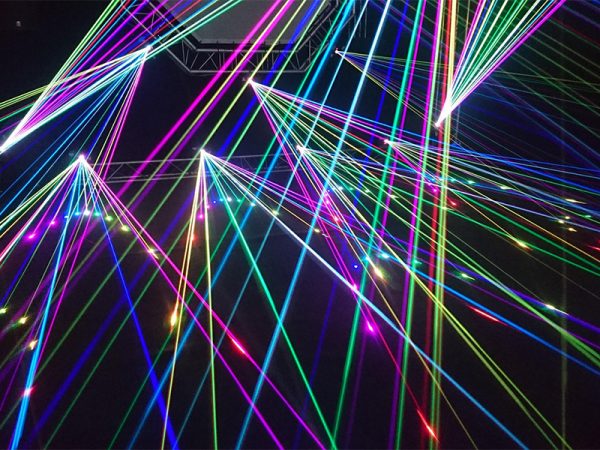
First Light: A Crowd, a Ceiling, and a Split Second
You walk into a packed gym, haze in the air, and the DJ counts down. A laser light manufacturer sees this moment in numbers. How many seconds until the beam pops? How clean is the line at 20 meters? How hot do things get under the rig? I’ve seen shows stall because one tiny thing slipped, like a wrong cable or a missed setting (it happens when you’re tired). Here’s one small data point: five minutes saved in setup can protect a whole cue stack later. And a 1-degree change in beam divergence can make a shape look soft across the floor. So what are we missing when we pick gear on specs alone?
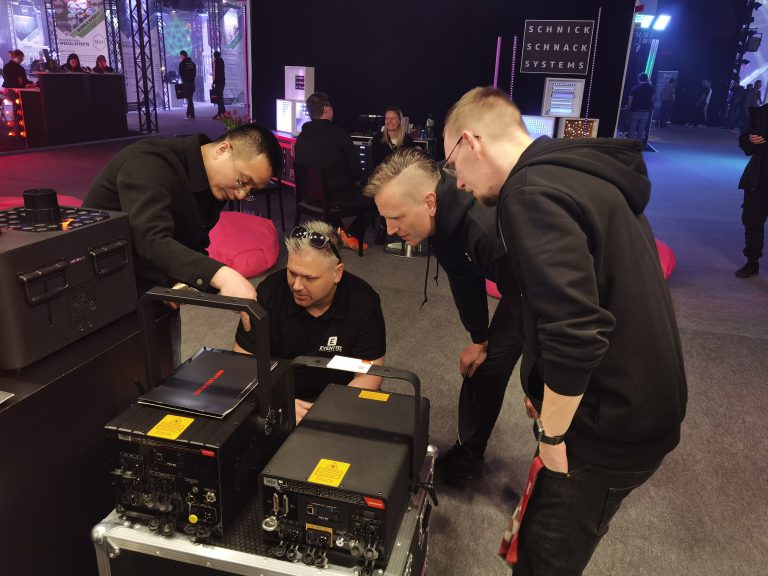
We’re going to compare what the sheet says and what the room asks, then ask why those gaps show up. And how to close them fast—without drama.
Hidden Friction: What Do Buyers Miss Before the Beam Hits Air?
Is the spec sheet telling the whole story?
As a light show projector manufacturer, I hear the same surprise after the first load-in: “The lab numbers looked perfect!” The truth is, venues are messy. DMX512 chains get long. Haze density shifts. Fixtures sit near hot truss. In this mix, small issues turn big. Beam divergence that seems fine on paper can wash out in real fog. Galvo scanners can sound smooth but still wobble after long heat cycles. Thermal management matters more than you think, because throttling steals punch when the room gets warm—funny how that works, right?
Hidden pain points show up in tiny places. Menu trees that bury key settings steal time when the clock is mean. Weak power profiles trip breakers during peak draw. Mounts slip a millimeter and now your text preset drifts off the banner. Look, it’s simpler than you think: people want predictability, and crews want fewer chances to mess up. If the projector doesn’t give quick trims for output, scan limits, and safety zones, you’ll feel it from the first cue. And not just in your eyes—in your schedule.
Next Wave: How New Controls and Supply Models Change the Game
What’s Next
Let’s turn forward and compare what’s coming to what we have now. New control stacks push timing over network, so sync is tight without fragile daisy chains. On-board logs flag heat creep before you lose output. Better power converters smooth spikes from old walls. Some units move toward edge computing nodes for fast fault checks—no laptop scramble in the pit. Even small gains add up: faster homing on startup means more rehearsal time (and less panic). When vendors tie this to smart sourcing, like reliable laser light wholesale, crews can match models across rigs and cut spare headaches—no joke.
So, what should you watch now? First, scan stability after 30 minutes at show temp, not just cold starts. Second, IP ratings that match the real gig, because mist and dust don’t read manuals. Third, control ergonomics: can a new tech set zones, cap power, and verify beam paths in under two minutes? Those three checks expose most failure modes without drama. That’s the comparative win: fewer variables, cleaner nights. With that, the beam you planned is the beam the crowd gets, and the room feels easy. For a grounded view that stays practical and human, keep an eye on Showven Laser.