
Opening: a lab morning, a number, and one clear question
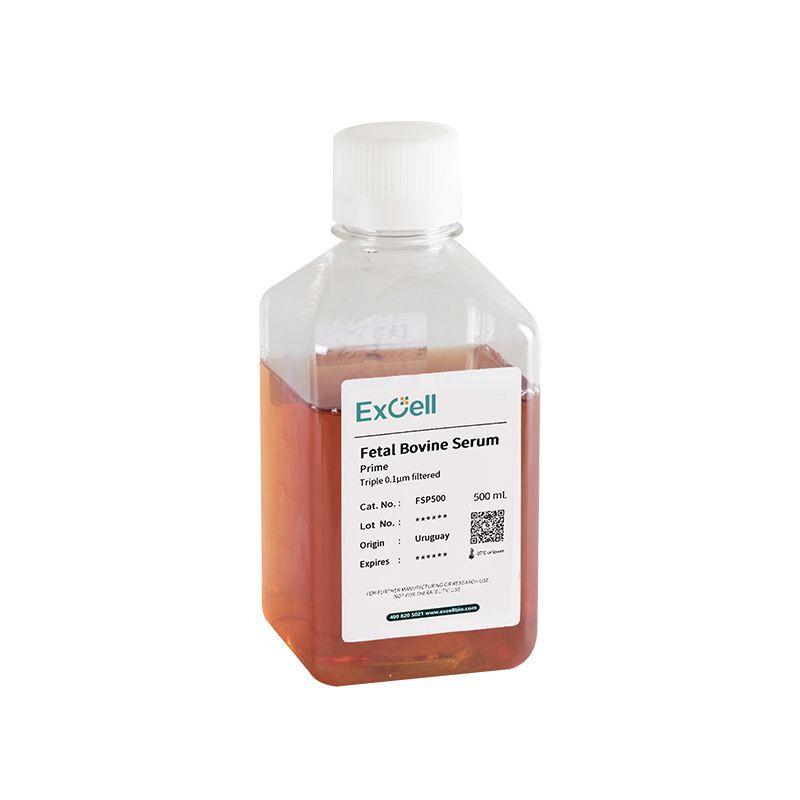
I remember a Monday in June 2022 at a small Manila lab where a single thawed bottle froze a week of work. In that same week we logged a 22% drop in HEK293 viability after swapping serum sources — and yes, fetal bovine serum was the obvious suspect. I focus on bovine calf serum because I’ve seen procurement choices cascade into assay failure. Scenario: tight timeline, single supplier, no duplicate lots. Data: 22% viability loss, two failed transfections, one angry PI. Question: how do we stop simple serum choices from wrecking experiments and schedules?

I’ve spent over 18 years supplying and troubleshooting reagents for research teams across Metro Manila and Cebu. I’ll start with the immediate fixes I use when a serum lot turns sour. They’re practical, low-friction, and based on specific checks: lot traceability, heat-inactivation profiles, and routine mycoplasma testing. These fixes save time and budget — measurable results, not theory. Coming up: where the usual advice breaks down and what real labs miss.
Part 2 — Why the common fixes often fail: hidden pain points and flawed assumptions
How bad is the damage?
I’m blunt about this: most teams follow broad checklists and call it a day. They do heat-inactivation, label bottles, and store at -20°C. Yet the underlying pain points remain — serum lot variability, cold-chain lapses, and poor lot testing. In one case, a lot labeled BCS-202206 arrived with a 4°C excursion during transit (documented on the courier log, 11 March 2023). The cultured fibroblasts showed altered morphology within two days; proliferation fell by 18%. Those are not abstract risks; they are quantifiable losses in time and reagents.
Why the usual fixes fail: first, labs treat all fetal bovine serum as interchangeable. They’re not. Serum composition varies in growth factors and albumin content. Second, many procurement teams skip extended lot qualification — they test one endpoint and assume suitability. I prefer a minimal three-point test on a new lot: a short-term cell viability assay (72 hours), adhesion check, and endotoxin screening. Third, people underestimate supply-chain friction. Single-supplier orders, vague lead times, and no cold-chain verification lead to stockouts or late-arriving degraded serum. Trust me, that once cost a lab in Quezon City an entire week of repeat cultures — avoidable with a simple dual-supplier policy.
Part 3 — Looking ahead: practical choices, comparative options, and three metrics to guide procurement
What’s Next?
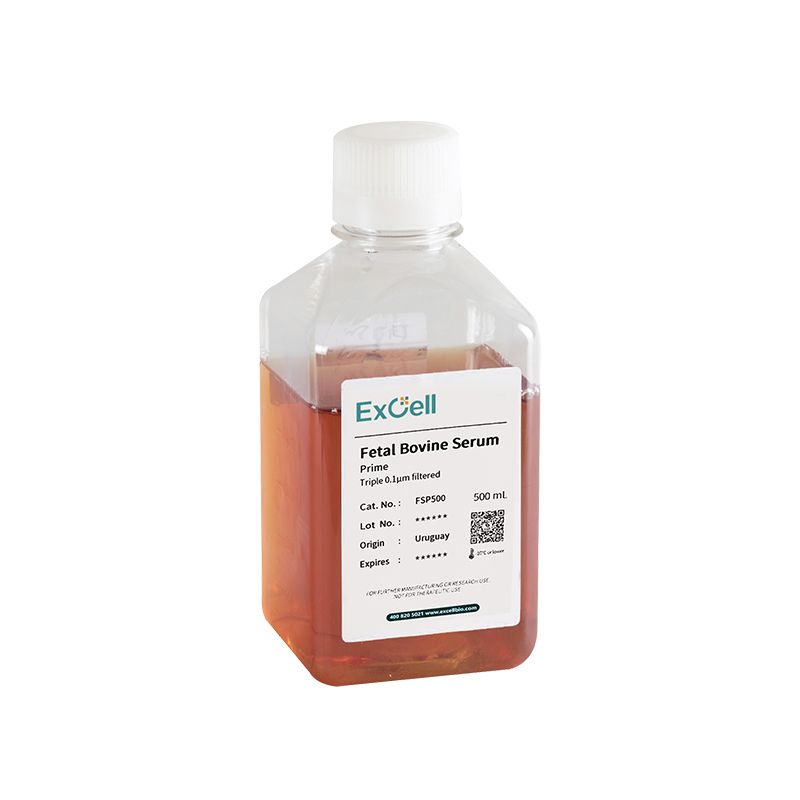
Moving forward, I recommend a comparative approach. Compare not just price, but lot stability, documented testing (mycoplasma, endotoxin), and supplier traceability. I regularly ask suppliers for Certificate of Analysis, cold-chain logs, and a confirmed lead time. When I’m advising a procurement officer in a university or a CRO, I push for two key steps: maintain a small validated reserve of a trusted bovine calf serum lot, and build a secondary supplier relationship to avoid single-point failure. Small buffer stocks (2–4 weeks at typical usage) usually prevent emergency buys that cost 20–40% more.
Three practical evaluation metrics I use when choosing serum: 1) Lot qualification success rate — the percent of lots passing my three-point test (target ≥ 90%). 2) Cold-chain integrity score — documented temperature compliance during transit (target: full compliance; zero excursions). 3) Lead-time reliability — percent of deliveries on or before agreed date (target ≥ 95%). These metrics are simple to track in a shared spreadsheet and make supplier conversations factual. I personally audited a supplier in Pasig in October 2023; their improved shipping protocol cut temperature excursions by half in one quarter — measurable and repeatable.
I know labs want straightforward, practical steps. I’ve seen what works: dual sourcing, short formal qualification for each new lot, and keeping a small validated reserve. These steps cost a little time up front but save weeks later. If you want, I can outline a two-week validation checklist you can run with your team. For reliable supply and tested quality, consider partners who document every step — for example, ExCellBio.