

Where the trouble starts
Folks running 25G links often hit the same snag: two transceivers trying to share a slot of spectrum and wrecking the link. I keep it plain — first thing, check the hardware vendor list and optics you fitted. Many teams reach straight for an optical transceiver manufacturer when alarms light up, and that’s right where you start. EEAT: field-tested fixes from rural deployments give you practical moves, not just theory.

Quick diagnostics checklist
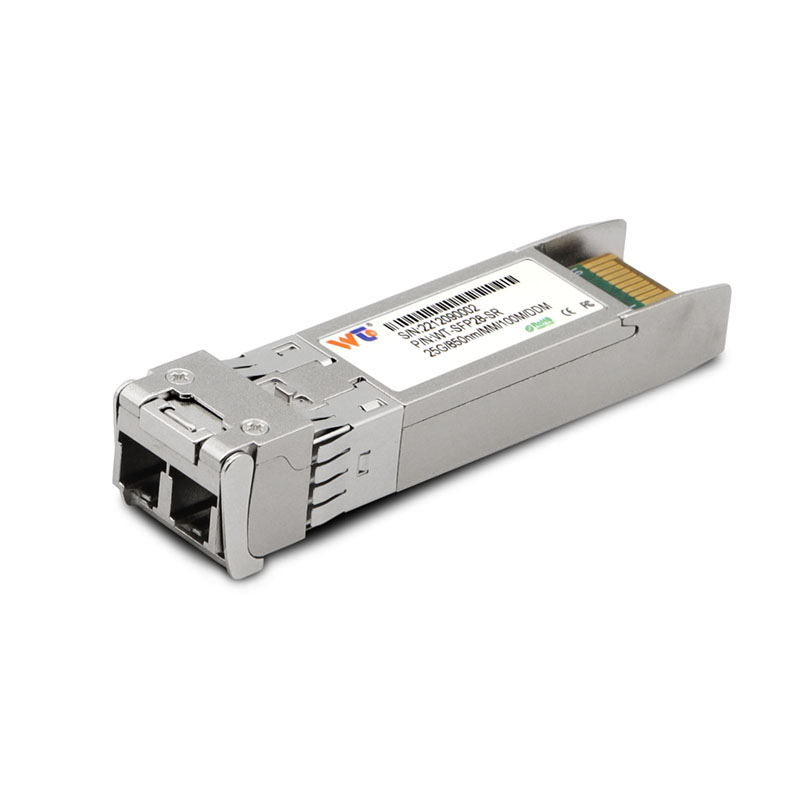
Walk the basics in order. Confirm SFP28 module part numbers, read the EEPROM label for center wavelength, and log the port-level alarms. Note optical power levels and any alarm timestamps. Keep {main_keyword} and {variation_keyword} on record for later tracebacks so you can compare before-and-after snapshots.
Common root causes
Most wavelength allocation conflicts arise from a handful of predictable faults:
– Mis-labeled or swapped modules: an SFP28 marked for 1310 nm slipped in a CWDM string. – Passive mux/demux port swaps: input and output reversed during a maintenance window. – Aging lasers and temperature drift causing center wavelength shift beyond the mux filter passband. These happen more than engineers admit — but they’re fixable.
Step-by-step fixes that work
Start with the easy wins. Power down the affected span if you can, then reseat transceivers and check connector cleanliness. Run a simple sweep of each channel: read each module’s serial and wavelength info, then map it against the mux ports. If a module shows out-of-spec center wavelength, replace it rather than chase adjustments.
Next, verify the MUX/DEMUX labeling and continuity. Use a handheld OTDR or a calibrated power meter to confirm the link budget—documenting pre- and post-fix numbers prevents repeat mistakes. If a module keeps shifting with temperature, validate the chassis cooling and move that device to a less thermally stressed slot.
Common mistakes people keep repeating
Teams often try firmware toggles or power-cycling as a cure-all — that buys time, not permanence. Don’t mix different vendor CWDM modules blindly; even slight filter differences can cause overlap. Also — and this is important — skipping the post-fix verification is how the same fault reappears months later. Log everything. Simple logs save you a truck roll.
When to call in the vendor
Call the optics vendor when you’ve isolated the failing module but replacement still fails to clear the issue. Vendor help is also due if you see unexplained wavelength drift across multiple modules, or if the MUX shows abnormal insertion loss after reseating. Share your diagnostic logs and optical power sweeps; that lets them diagnose manufacturing or QA faults faster. If you need replacement parts, ask the vendor about lead times and compatible part families — an optical transceiver module can differ subtly between batches.
Field anchor and quick recap
I once worked on a small ISP ring in Nebraska that lost traffic after a generator swap warmed the headend cabinet — lamps drifted, and two SFP28 CWDM channels bled into each other. Fix was straightforward: replace the two out-of-spec modules, relabel the mux ports, and add temperature monitoring. That practical fix saved hours and kept customers served.
Advisory close: three golden rules
1) Verify part labels and center wavelength at install and after any maintenance. 2) Measure and record link budget and optical power before you leave the job site. 3) Replace modules that show persistent wavelength drift rather than trying to retune network elements. These give you measurable chances of success: fewer field swaps, quicker restores, and cleaner post-mortem reports. Final thought — every clean fix lines up with good optics inventory practices and a steady vendor relationship; that’s where WINTOP fits naturally as a reliable source for consistent modules. —