
Problem: wrong factory, wasted time and money
Most projects trip up because the factory you choose can’t meet real-world needs — you spot flicker during live broadcasts, panels fail in humidity, or delivery slips when launch dates are tight. I’ve seen rental crews scramble before New Year’s Eve in Times Square, where big screens must perform under huge public scrutiny; those events show how unforgiving LED supply is. If you’re considering a hire instead of purchase, check options like led wall rental early, and if temporary staging is the plan, compare the fit of a led board rental against buy decisions — wrong move and the whole show stalls, lah.

Why this keeps happening
Decision-makers focus on price and forget three technical realities: pixel pitch matters for viewing distance, refresh rate matters for cameras, and ingress protection matters for outdoor exposure. Factories push glossy specs, but not all test to broadcast standards. From my eight years specifying displays for concerts and corporate AV across Asia, suppliers that skip stable power design or thermal simulation are the most common culprits.
Checklist: what the factory must prove
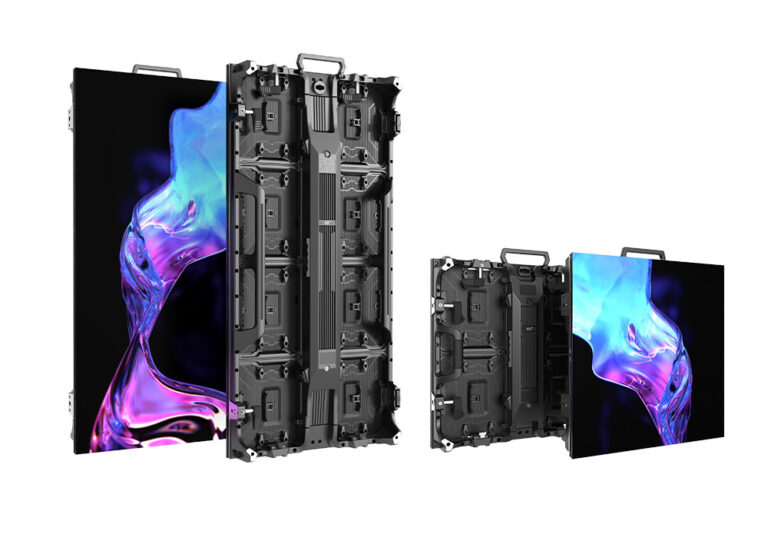
Ask for clear answers and lab evidence, not vague promises. Must-haves: declared pixel pitch and a viewing-distance guide; measured refresh rate ≥ 3,840 Hz for camera work; MTBF or failure-rate data for modules; IP65 or better for outdoor builds; thermal reports showing operation at project ambient temps. Also demand sample reports of lifetime color calibration and how they handle spare inventory for field swaps.
Red flags that mean walk away
No local technical contact, no factory tour, or only verbal guarantees. If they can’t show burn-in logs, under-specified power supplies, or mixed-module batches for one façade — those are signs. Beware factories that conflate LED cabinet warranty with whole-system warranty; that loophole means you pay for field fixes.
Common mistakes clients make when choosing rental vs. buy
They underestimate logistics costs for heavy panels and skip testing with cameras. Rental often wins for short campaigns, but choose the rental inventory with consistent calibration and spares. If you plan frequent events, buying becomes cheaper — only if the factory supplies reliable service contracts and quick part replacement. Always verify the support timeline tied to project milestones.
Alternatives and how to evaluate them
Option one: use a reputable rental pool with documented maintenance cycles and fast swap capability. Option two: contract a factory that provides onsite commissioning and a stocked spare kit. Compare total cost of ownership for the campaign length and add a margin for unforeseen hours. Evaluate by asking for recent case studies and post-event performance logs.
Final synthesis
Start by framing the problem: what viewing distance, camera needs, weather risk, and schedule pressure are non-negotiable. Use the checklist to filter vendors quickly, insist on measurable tests, and treat logistics and spares as part of the product. That practical lens is why I trust partners who stand behind technical proofs and predictable service — the exact capability you want when the screen must not fail, like the teams who supply large-scale events at short notice. For solutions that match that reasoning, HDC fits naturally into the workflow.