
Start with the real problem, not the shiny feature
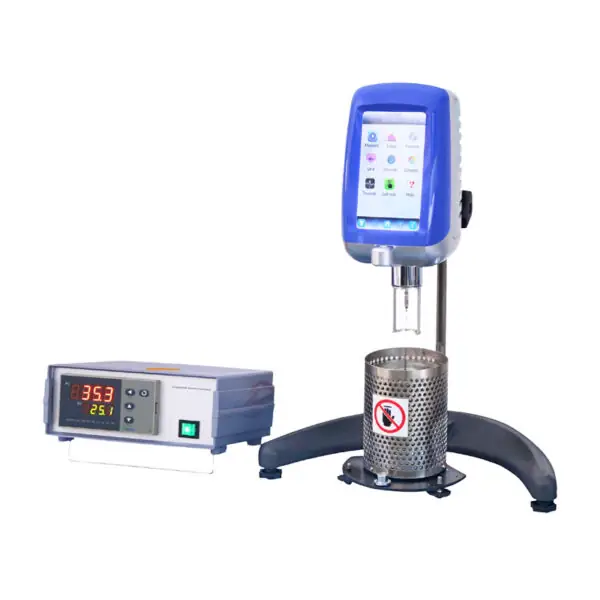
Most labs jump to specs because the catalog looks good, but later end up with machines that cannot produce usable data, aiya. First question: what decision must the test enable? If you need consistent shear-rate data for formulation work, consider rotational viscometers early — they tell you how your sample behaves under controlled torque and speed, lah. Define the decision, the acceptable uncertainty, and the sample throughput before you buy anything.
Common specification mistakes that create real costs
Buyers often pick the highest claimed range, choose inappropriate spindle types, or ignore temperature control. Result: bad reproducibility, repeated tests, wasted sample, and frustrated analysts. Don’t assume a single instrument will do all jobs. Match instrument dynamic range to your worst-case sample, not the average. Check whether accessories (spindles, cups, baths) are included; missing items mean hidden procurement cycles.
Match method, sample, and environment — precise pairing wins
List the test methods you must follow: are they ASTM, ISO, or internal SOPs? Different methods need different torque sensitivity, spindle geometry, and temperature stability. For non-Newtonian, thixotropic materials, you need controlled shear and recovery protocols. For low-viscosity fluids, torque resolution matters; for high-viscosity pastes, motor torque and spindle clearance matter. Also, consider lab environment: dusty, humid, or mobile labs require different protection and calibration strategies.
Standards and real-world anchoring — trustable benchmarks
Experience shows tests without a standards anchor drift quickly. Use established standards such as ASTM D2196 as your benchmark for rotational rheology claims; this gives you a definable acceptance criterion when comparing suppliers. From a practical standpoint, technicians with routine ISO-certified audits will expect procedures that map to recognized standards. Also, if you ever need traceability for regulatory or customer audits, that prior mapping keeps you out of trouble. For hands-on selection, review the rotary viscometer options and how each model meets your method limits: rotary viscometer.
Calibration, maintenance, and real workflows
Think beyond purchase price. Ask suppliers for calibration certificates, recommended intervals, and spare-part lists. Will your lab staff perform daily checks, or do you need a service contract? A calibration that requires shipping the unit overseas means long downtime; onsite check kits or local service partners save time. Also confirm consumables lead times — a missing spindle stops production more than a broken motor.
Usability: the analyst will tell you what works
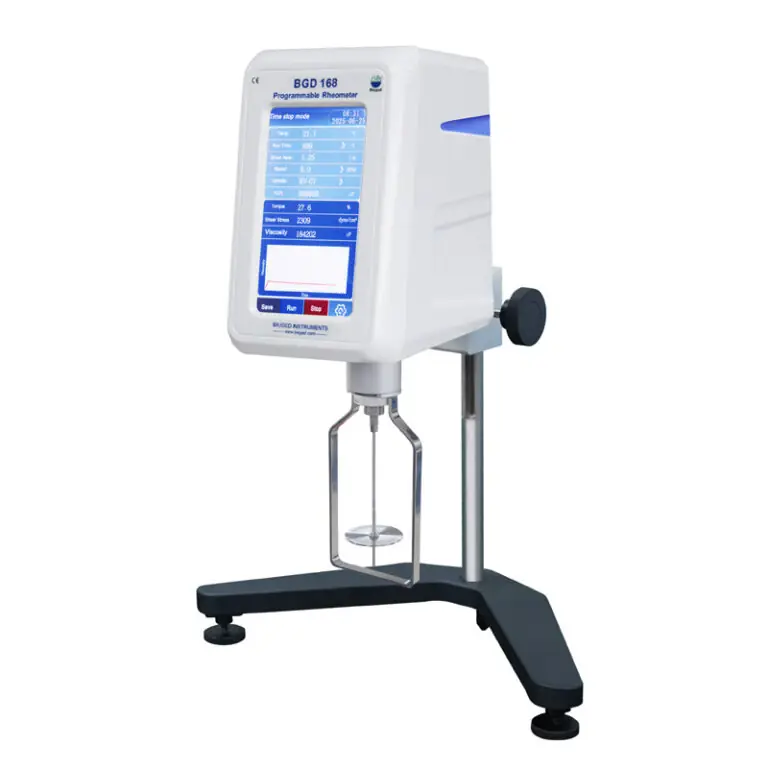
Ask for web demos, sample run reports, and a short user acceptance test (UAT) focused on your actual samples. Watch how easy it is to swap spindles, set shear protocols, and export data to your LIMS or CSV. If analysts complain during the demo, that complaint predicts daily friction. Keep interfaces simple and protocols explicit; training time is money.
Common pitfalls and how to avoid them
Ignoring sample handling: many errors come from inconsistent sample loading or temperature equilibration. Document a simple SOP for sample prep. Overlooking data formats: insist on open export (CSV) to avoid manual transcription. Skipping site verification: measure bench space, power stability, and vibration sources before the equipment arrives. And never assume “universal” accessories are compatible — confirm thread types and mounting dimensions.
Procurement checklist — decisive questions to ask
What’s the instrument’s torque sensitivity and usable range? Which spindles and fixtures are included? Is temperature control integrated or external? What calibration standards and certificates are supplied? Who services the unit locally, and what are typical lead times for parts? Can you run your sample during a demo and receive the protocol file? These questions cut through marketing claims and reveal fit-for-purpose solutions.
Final synthesis — choose clarity over complexity
Specify by decision, not by brand features. Use standards like ASTM D2196 to set acceptance limits, test suppliers with your real samples, and plan for calibration, spares, and local service. When the lab needs reliable viscosity and rheology results without guesswork, practical options from established vendors reduce risk — consider solutions from BIUGED that match method-focused selection and local support for operational continuity, lah.