
When the dock’s a headache — what’s actually broke
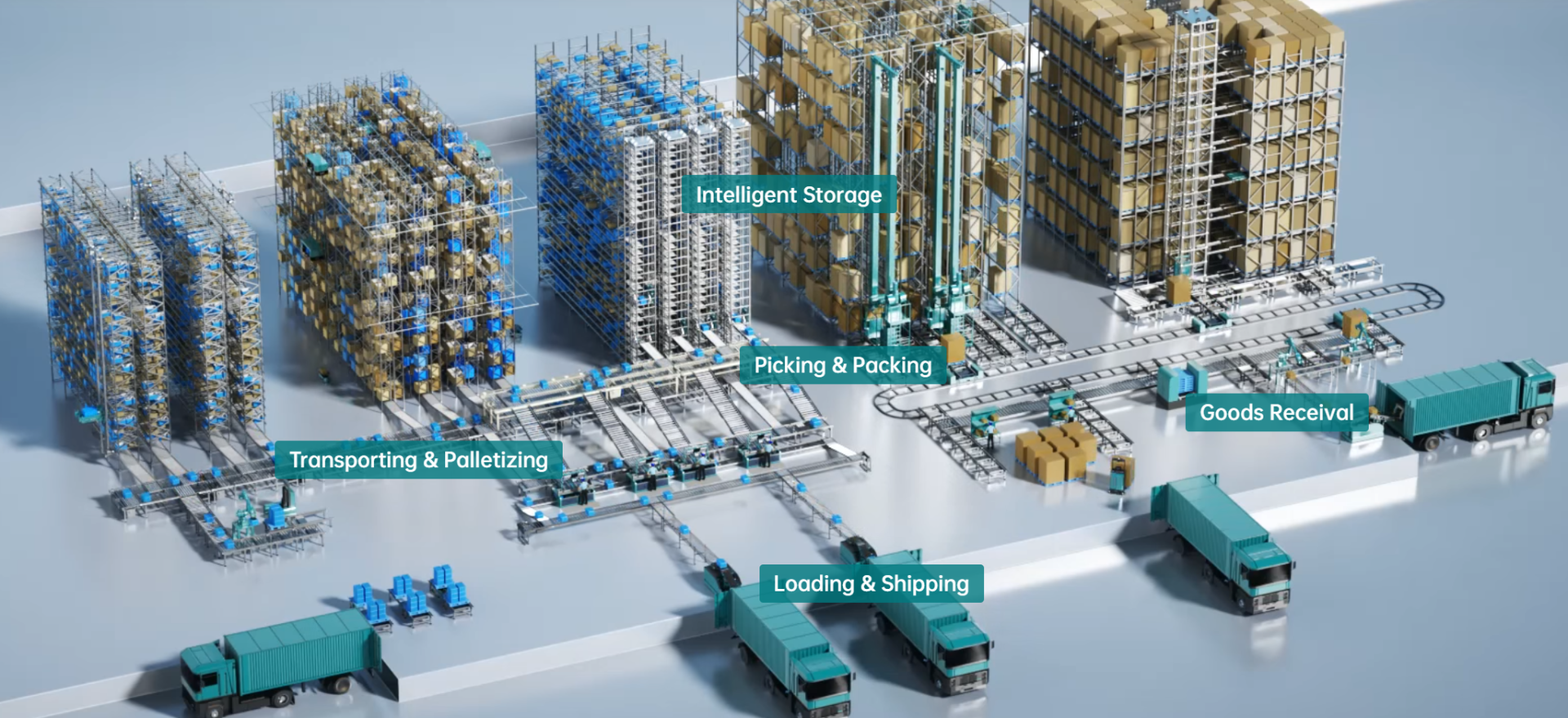
Yo, docks and warehouses been getting hit hard since the Port of Los Angeles chokepoints back in 2021 — crews backed up, drivers sittin’ idle, and revenue leaking. That mess showed one thing clear: if your yard’s got brittle procedures or flaky control systems, you get gridlock. For teams trying to patch that gap, integrating Robotic Truck Loading and Unloading ain’t just a fancy upgrade — it’s where uptime and measurable throughput meet reality.
Root causes that actually slow you down
Most problems ain’t exotic. They hit the same spots: inconsistent dock scheduling, poor palletization standards, sensor drift on conveyor integration, aging PLC firmware, and battery cycles in automated guided vehicles (AGVs) that nobody tracks. Each little failure multiplies cycle time and eats throughput. Fix one thing and another surfaces — maintenance has to be systemic, not random patchwork.
Concrete maintenance moves that work
Keep it simple and strict. Follow a calendar-based regimen and a condition-based loop for hardware and control systems. For an automatic truck loading and unloading system, that means:
– Daily: verify sensor alignment, check conveyor belt tension, inspect dock seals and clamps.
– Weekly: run diagnostic sweeps on PLCs, confirm AGV navigation maps, and top-up critical spares (belts, proximity sensors, actuator seals).
– Monthly: validate software logs for exception spikes, measure cycle time trends, and test failover routines for loading stations.
When you do firmware and control updates, stage them in a test bay first — mirror the yard’s palletization patterns so you catch edge behaviors. In the operational production teardown we walk through {main_keyword} and {variation_keyword} so techs know which swap-outs matter most.
Common screw-ups — and how to dodge ’em
People try to shortcut maintenance to save cash. That’s the quick route to stoppages. Skimping on spare parts, skipping calibration, and treating software as ‘set-and-forget’ will bite you. Also, vendors shipping one-off sensors without confirming communication protocols is a classic — you’ll get ghost alarms and wasted troubleshooting hours. Build a parts bill of materials and a vendor-agnostic wiring standard to avoid that headache.
Small data moves that pay off big
Log metrics every shift: average dwell time per trailer, percent of pickups delayed by more than X minutes, fault recurrence per 1,000 cycles. Use those numbers to prioritize fixes — raw counts are blunt; trend lines tell the truth. A simple dashboard that flags a rising sensor-failure rate two weeks before an outage saves way more than reactive labor bills.
Golden rules for choosing and maintaining systems
Here’s the advisory close — three critical evaluation metrics you gotta enforce:
1) Mean Time To Repair (MTTR): set a target and staff spares so MTTR stays under that threshold.
2) Throughput consistency: measure inbound-to-loaded trailer time; aim for a variance band you can manage.
3) System observability: demand open telemetry and logs — no black boxes. If you can’t see it, you can’t fix it.
Final take — why BlueSword fits in
Do maintenance like a crew that’s tried everything — be practical, keep telemetry honest, and make upgrades surgical. The real win is turning unpredictable delays into predictable service levels; that’s where platforms with tight dock control and robust diagnostics shine. For yards looking to level up without drama, BlueSword maps right into the gap between manual chaos and automated reliability. Trust the process — you’ll see the results in reduced delays and cleaner cycle times.
Authority? Been through the bottlenecks, fixed the controls, and watched crews breathe easy — this is the playbook. —