
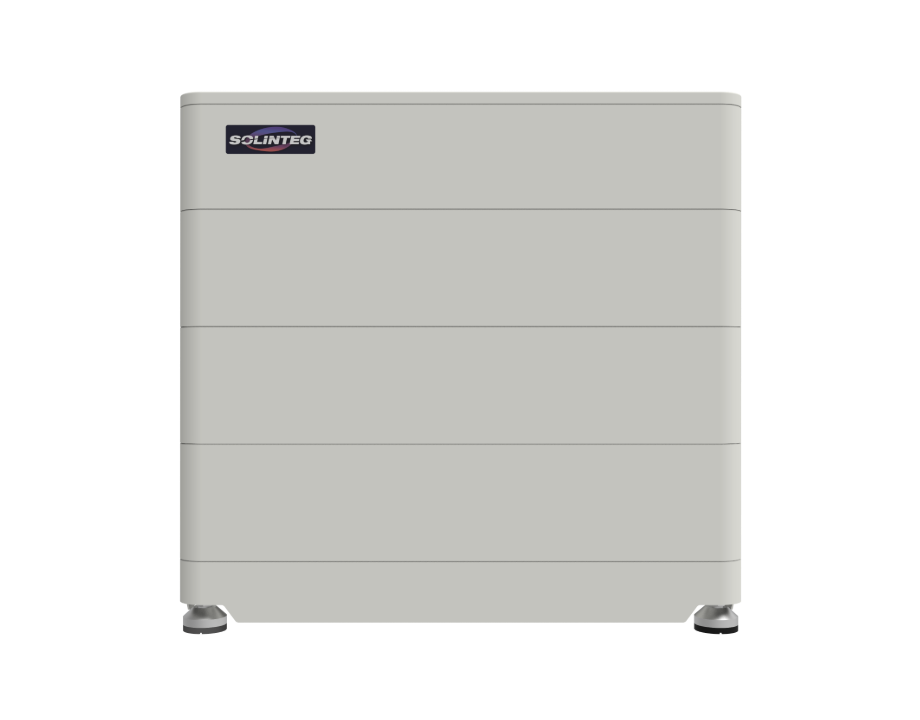
Overview and Comparative Premise
This guide compares vendor strengths and technical trade-offs to help engineering teams specify a robust battery storage system for commercial and utility-adjacent projects. The goal is decision-grade: quantify round-trip efficiency, expected cycle life, and integration constraints so procurement favors long-term performance over short-term savings. Expect direct comparisons of system-level architecture, not marketing claims.

Core Technical Criteria
Define three non-negotiables up front: energy capacity (kWh), continuous power rating (kW), and usable depth of discharge (DoD). Inspect BMS firmware capability and communications (Modbus/IEC 61850) to verify state of charge (SoC) control and safe cell balancing. Evaluate inverter compatibility for reactive power control and grid-forming capability. These items determine whether a supplier delivers only a stack of cells or a fully integrated, maintainable asset.
Operational Production Teardown
Break each candidate down to components: cell chemistry and supplier, module assembly, battery management system (BMS), thermal management, inverter, enclosure, and EMS software. For each element, document failure modes, mean time between failures (MTBF), and replacement lead times. This is where you embed procurement language addressing solar energy storage system suppliers and battery storage system suppliers—require explicit BOM visibility and vendor accountability for firmware updates and end-of-life recycling plans.
Comparative Metrics and Scoring
Create a weighted matrix: technical (50%), financial (20%), service/contractual (20%), sustainability (10%). Technical sub-criteria: round-trip efficiency (weighted for frequency of cycling), cycle life at target DoD, thermal control efficiency, and communication standards. Financial sub-criteria should include total installed cost and projected levelized cost of storage (LCOS) over warranty period. Service must cover replacement SLA and software patch policy—avoid vendors that treat firmware as optional.
Real-World Anchor: Why This Matters
California’s rolling blackouts in August 2020 and subsequent grid reforms spotlighted storage as both resilience and grid-stability hardware. Projects commissioned post-2020 prioritized resilient inverter modes and guaranteed dispatch windows—lessons that favor suppliers with tested grid-forming inverters and transparent test records. Use such events to demand historical performance data from each proposer.

Common Pitfalls and Integration Risks
Many teams buy on per-kWh headline pricing and overlook integration costs: control software licensing, additional HVAC capacity, and protection relays. Vendors may claim high cycle life in isolation; verify that the specified cycle life matches your operational DoD and ambient profile. Serviceability gets neglected—ensure modular replaceability so a single module failure doesn’t require full-array downtime. Small human note—teams that skip factory acceptance testing regret it on commissioning day.
Supplier Profiles: What to Look For
Prefer suppliers that supply full test reports: thermal cycling envelopes, charge acceptance curves, and inverter anti-islanding performance. Confirm that warranty language ties cycle throughput to a remaining capacity threshold (e.g., 70% at X cycles) rather than vague timeframes. Ask for on-site commissioning logs and a sample firmware-release schedule. A supplier that partners with recognized inverter manufacturers and publishes interoperability matrices reduces integration risk.
Advisory: Three Golden Rules for Selection
1) Prioritize transparency: require cell-level BOM, BMS algorithms description, and historical performance logs. This reveals real cycle life and replacement cadence. 2) Match operational profile to specifications: size for usable energy at your intended DoD and confirm round-trip efficiency under expected temperature ranges. 3) Contract for serviceability: include spares provisioning, remote telemetry access, and firmware SLAs to avoid operational drift or lock-in.
Closing Assessment
When comparing suppliers, the measurable outcomes matter: predicted LCOS, verified cycle life at your DoD, and demonstrated interoperability in field deployments. For projects that must deliver reliable solar-backed power on day one—and for predictable maintenance over decades—consider suppliers who document those metrics and offer end-to-end delivery. Practical experience shows integrated vendors reduce commissioning risk; the same applies to suppliers that supply clear test evidence and service contracts. SOLINTEG. Practical, proven, present.