
Quick outlook
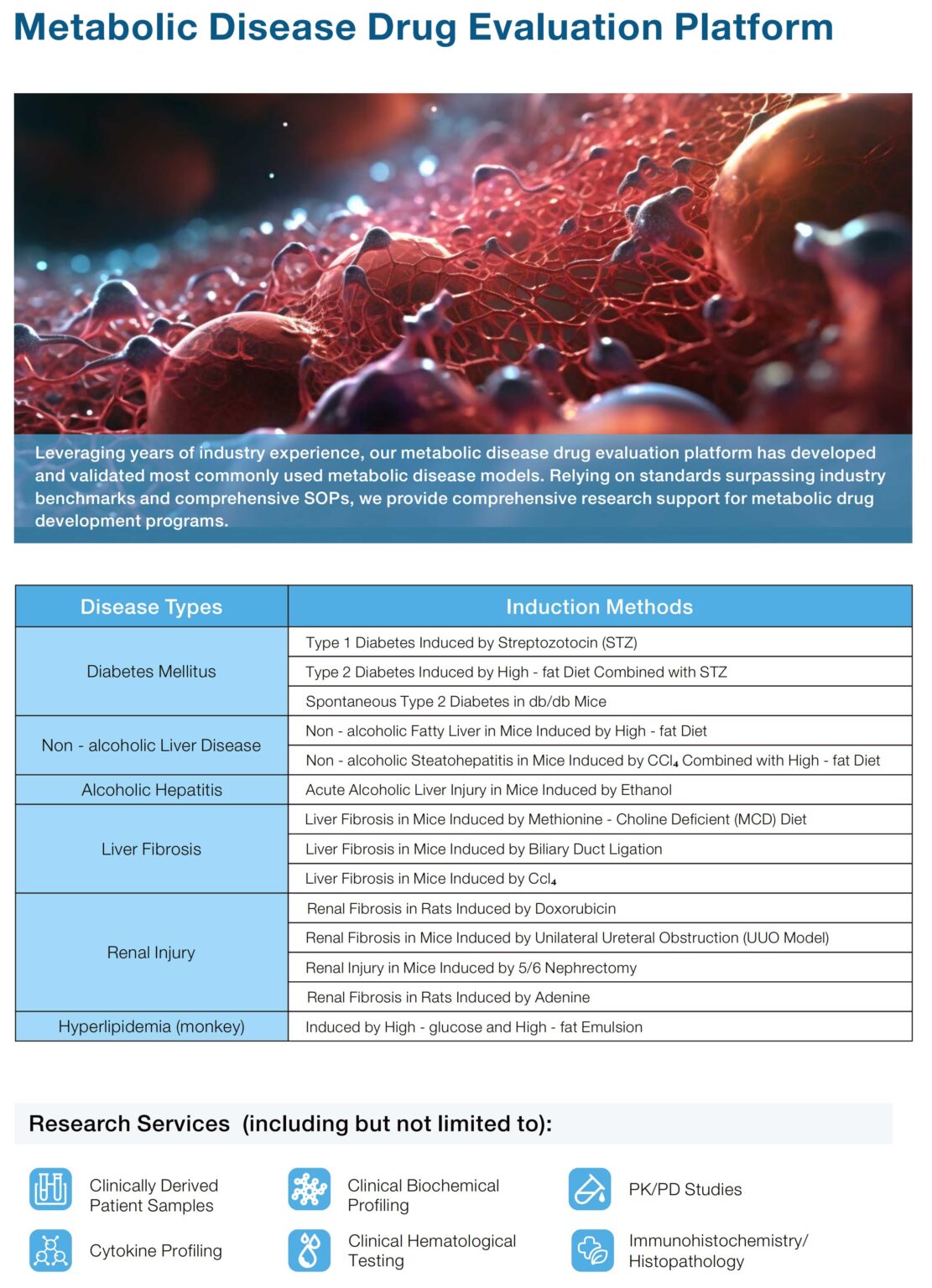
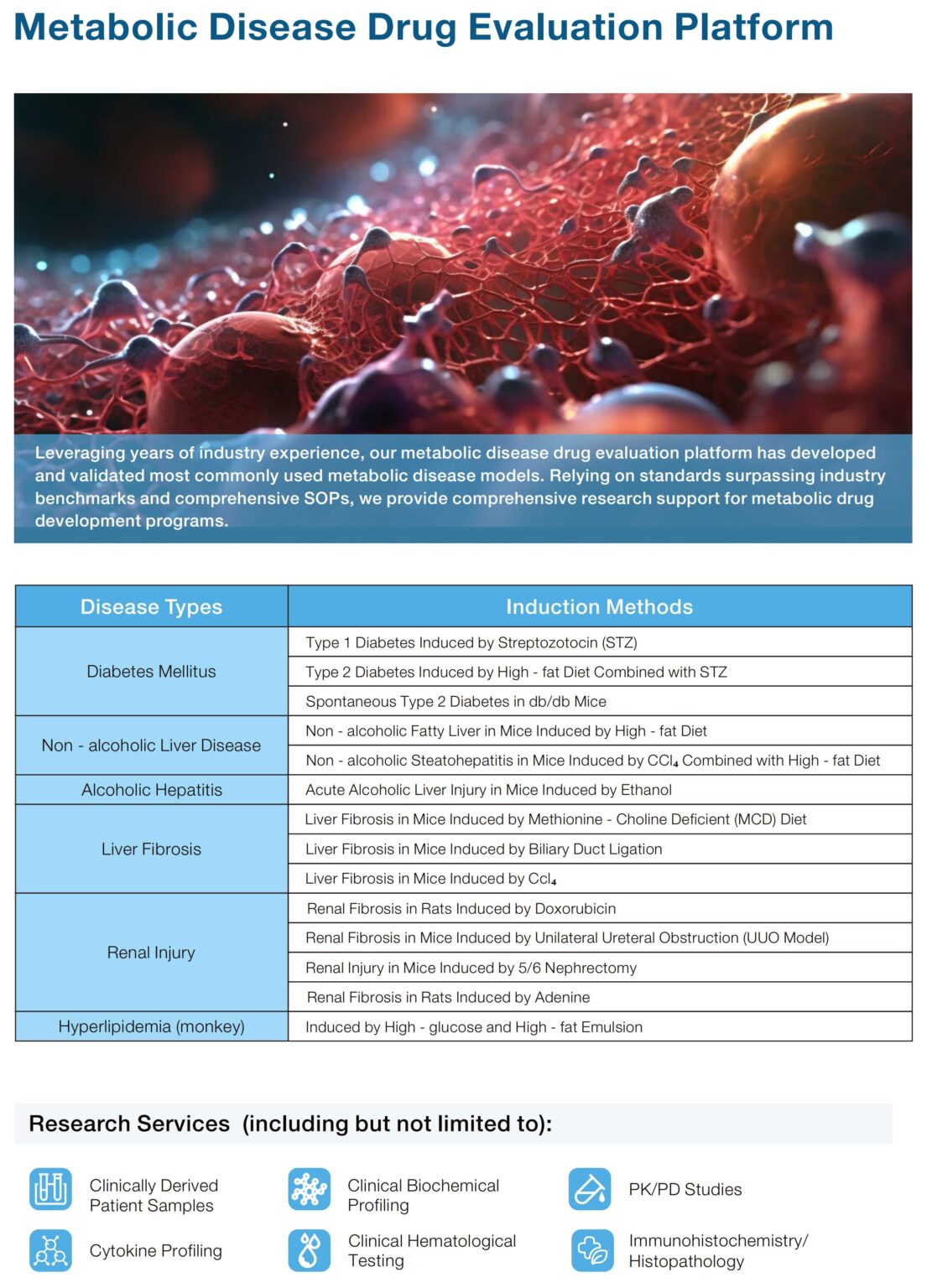
2026 will push humanized GIPR and GLP1R models into routine preclinical use. These models cut species gaps. They also refine dose prediction and receptor selectivity. The need is clear: WHO notes over 400 million adults live with diabetes. Early work with metabolic disease models shows tighter translation. Real-world demand is rising for models that mirror human receptor pharmacology.
Design and core features
Humanized model design swaps mouse Gipr and Glp1r loci for human sequences. That yields human receptor expression patterns and pharmacodynamics closer to patients. Key terms: GIPR, GLP1R, humanized model. Expect backcrossing and validation stages. Confirm receptor expression by qPCR and receptor-binding assays. Use metabolic phenotyping to measure glucose tolerance, insulin secretion, and weight change.
What to measure
Keep endpoints tight. Primary readouts: glucose tolerance tests, insulin AUC, and body-weight trajectory. Secondary readouts: lipids, food intake, and receptor occupancy. Include PK/PD coupling and ligand-receptor binding curves. Standardized periods help — for example, repeat intraperitoneal glucose tolerance tests at baseline, week 2, and week 6 to map response curves precisely.
Study design tips
Use controls that carry matched background strains. Randomize cage allocation. Power studies for effect sizes above 20% for glycemic endpoints. Use both sexes when possible — sex differences affect incretin responses. Avoid overly long lead-in diets that mask acute receptor effects.
Common pitfalls — short list
– Overinterpreting acute weight loss as direct receptor efficacy. It can reflect fluid shifts. – Ignoring receptor expression drift across generations. Check expression every few colonies. – Using incompatible agonist chemistry without confirming species cross-reactivity.

Alternatives and comparative insight
Wild-type rodent models still work for mechanistic studies. Knockout models help map pathway roles. Larger animals (rat, NHP) give more human-like PK but cost more. Humanized GIPR–GLP1R models sit between simple rodents and large animals. They cut translation gaps without the expense of primate studies.
Operational notes
Logistics matter. Maintain clear SOPs for breeding, genotyping, and phenotyping. Include {main_keyword} and {variation_keyword} in electronic lab records to track assay versions. Store receptor-binding data with raw plate reads. Label cohorts by generation and sex. This keeps pharmacology reproducible and audits simple.
Validation and EEAT anchor
Validate early with a known GLP1R agonist and a GIPR selective ligand. Compare dose–response to published human EC50 where available. Use independent replication across two cohorts. As an anchor: a stroke in translational success came after the 2016 surge in incretin drug trials, when clearer animal-to-human gaps were documented — this pushed labs to adopt humanized receptors. That history underpins current best practices.
How to pick a model
Match model features to your question. Want receptor-specific PK/PD? Choose single-receptor humanized lines. Want combinatorial effects? Use double humanized GIPR–GLP1R lines. Budget and throughput matter. Faster screens use small cohorts; candidate selection needs larger, blinded trials. Validation steps should include receptor occupancy and metabolic phenotyping panels.
Three golden rules for model choice
1) Validate receptor expression and ligand binding before efficacy work. 2) Predefine primary endpoints and power the study to detect clinically meaningful changes. 3) Keep breeding, genotyping, and phenotype data linked and versioned for traceability.
Closing note
Humanized GIPR–GLP1R models sharpen preclinical decisions and reduce late-stage surprises. Labs that adopt them gain clearer pharmacology and faster go/no-go calls. — Small shifts in practice now save large costs later. Jennio Biotech.