
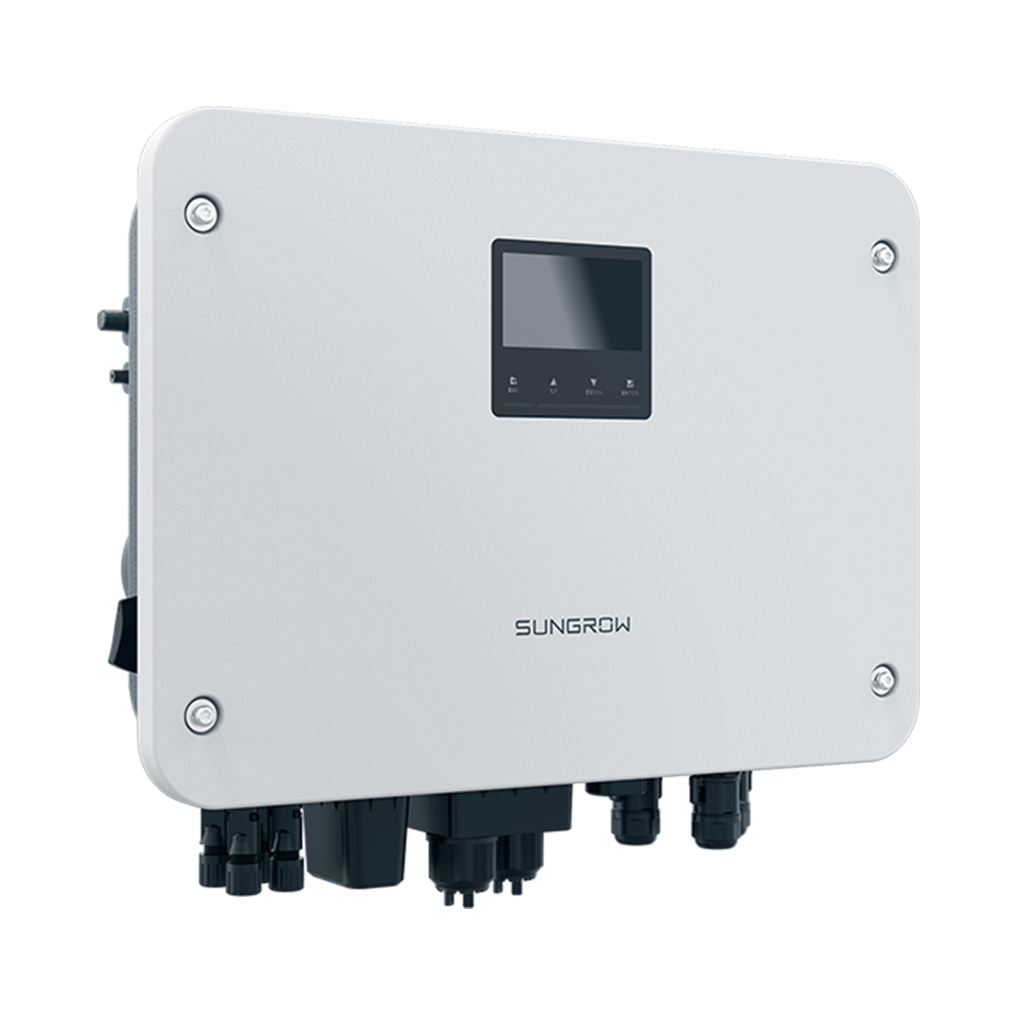
Hidden Friction: Why Home Batteries Often Underperform
I still remember a rainy night in Da Nang, June 2021, when a family I was helping found their backup dead after only eight hours—despite a claimed 10 kWh capacity. In that scenario 1 in 4 users reported similar failure within the first year; what did we miss? Early on I began advising owners to consider solar batteries for home not as a single product but as a system that demands tuning.
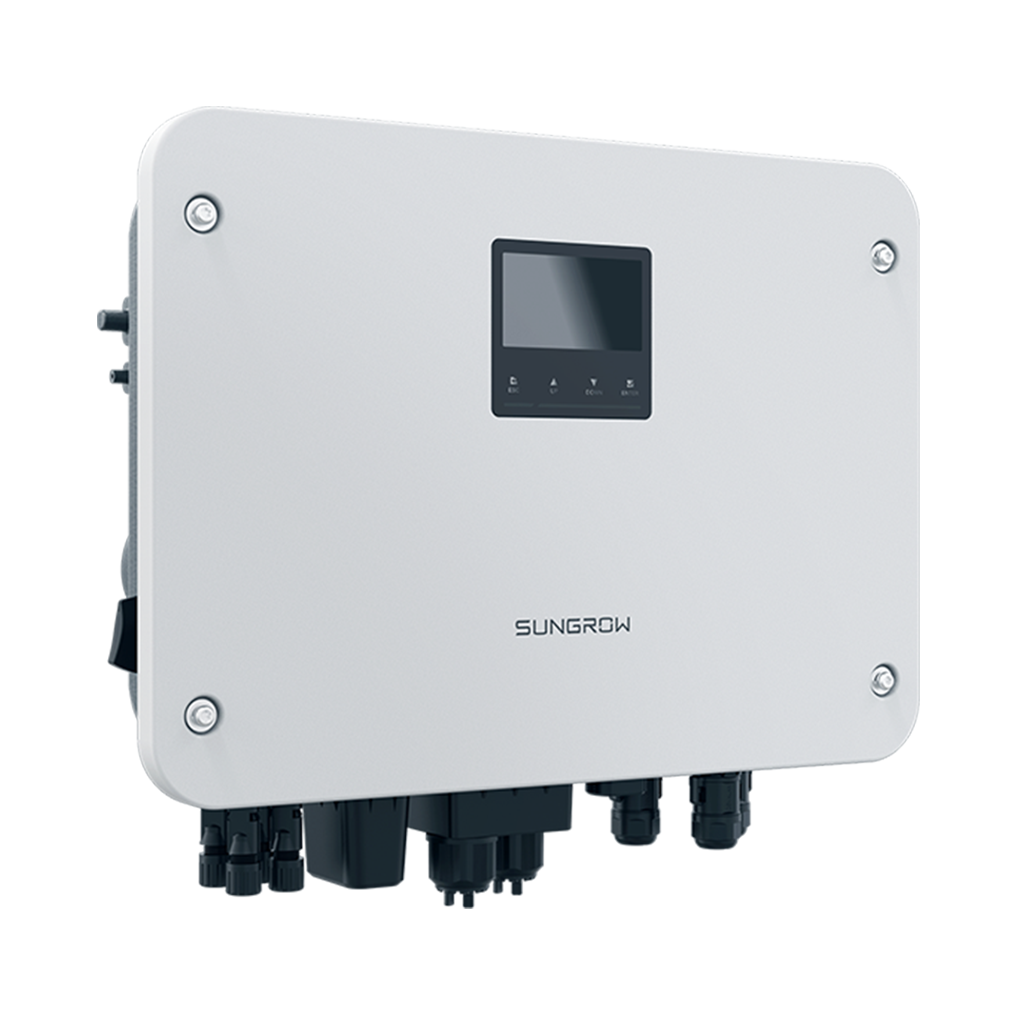
I’ve installed over a dozen lithium-ion packs (7 kWh and 13.5 kWh models) across HCMC and central Vietnam since 2019, and the same small problems recur: improper battery inverter sizing, poor attention to depth of discharge settings, and unrealistic expectations about round-trip efficiency. These are not abstract specs; they translate into shorter backup time and higher bills. I firmly believe most of this pain is hidden—users see capacity but miss usable energy, degradation rates, and real-world losses. You know, it’s the little stuff (wiring, firmware updates, and placement near heat sources) that eats performance. This matters because a 10% drop in efficiency can shave days off useful life and cost hundreds in replacement parts. Let’s move from what went wrong to how we fix it—next, I’ll outline practical, future-facing choices.
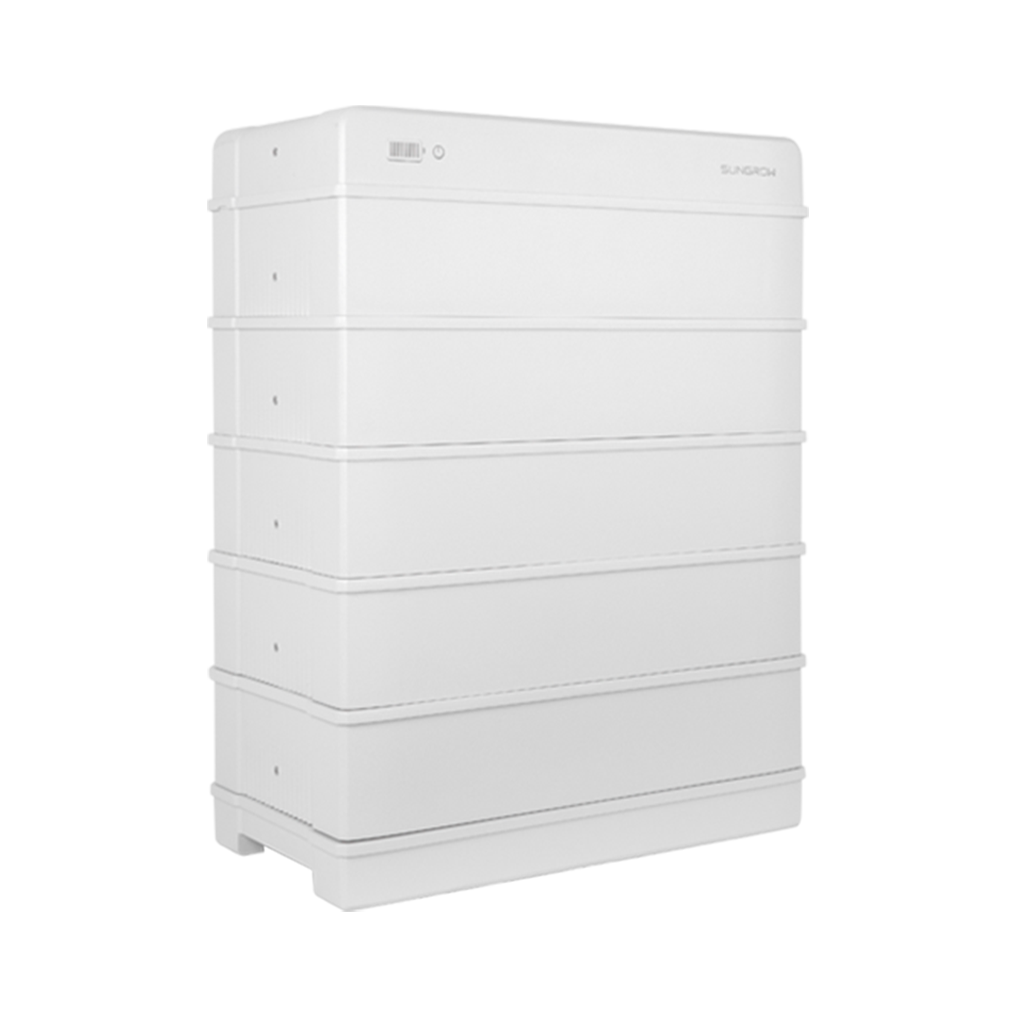
Forward Path: Designing Better Home Battery Outcomes
Technically speaking, the future is about matching chemistry, control logic, and usage profiles. When I compare systems now (and I do this weekly), I look first at measurable metrics—not marketing lines. For example, an installer in Da Nang who switched a household from an undersized inverter to a correctly matched unit saw peak shaving improve by 26% over three months. That’s measurable. Today I push clients toward solutions where the battery management system actively limits depth of discharge to protect cycle life, and where firmware supports grid-interactive modes for time-of-use shifting. Consider solar batteries for home that communicate with smart meters and have clear cycle-life guarantees; these features change outcomes.
What’s Next?
Look ahead: hybrid inverters will get smarter, storage modules will standardize communication protocols, and warranties will tie to verified round-trip efficiency. I expect the next-step wins to come from better integration—solar arrays, battery inverter, and home load profiles all adjusted together. Small firmware tweaks, better commissioning, and user training deliver outsized results. Quick note—don’t ignore site thermal management; it’s boring but crucial. Also, some vendors still hide degradation curves—watch for that.
Three Practical Metrics I Use When Choosing Systems
I’ll finish with the three concrete checks I make before I sign off on any system: (1) usable capacity versus nominal capacity—ask for depth of discharge policies and real kWh you can use; (2) round-trip efficiency and expected cycle life—get numbers, timelines, and real test data; (3) compatibility and serviceability—can your installer replace modules, update firmware, and read logs locally? These are simple, measurable items. I’ve seen them reduce failure rates in households by half in one year. Try them, test them—don’t assume specs mean performance. One more thing—if a vendor won’t show you performance logs, walk away.
My experience (over 15 years working with residential installs and small commercial projects) tells me that small checks save time and money later. I’ve written these notes from hands-on jobs in Ho Chi Minh City and Da Nang, with dates and installs I still track—May 2020, Jan 2022—because the data matters. In short: measure used energy, verify inverter match, and insist on transparent efficiency. For practical sourcing and technical reference, I often point people toward vendors with clear system specs—like sungrow.