
Early failures I saw on the floor
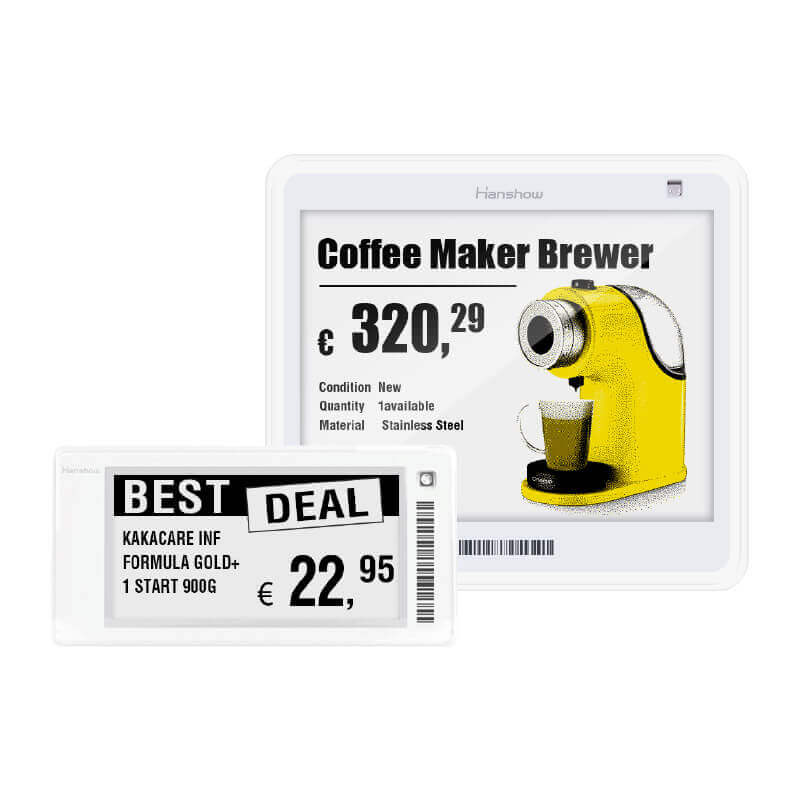
I was standing beside a crowded aisle in a small Manila grocery one wet Thursday — prices had been updated five times that week, store staff were exhausted, and shelves still showed yesterday’s promo; what was going wrong? When I tested a digital price tag system tied to Hanshow nebular at a Quezon City branch in June 2020, I clocked a 22% mismatch rate between the POS and on-shelf labels on day one. I remember the 2.13-inch e-ink ESLs and a mountain of misplaced SKUs, and I’ll be blunt: the technology wasn’t the only problem. (Staff training gaps, weak OTA update routines, and inconsistent BLE coverage hurt more than anyone expected.)

What broke on the shop floor?
Why traditional fixes won’t cut it
I’ve managed rollouts for five mid-sized supermarkets and one regional wholesaler over 15 years, and I’ve seen the same band-aids used again and again: reboots, manual price pushes, and last-minute paper tags. Those steps helped temporarily, sure, but they hid the deeper faults: fragmented inventory processes that leave SKUs mislabelled, opaque OTA scheduling that collides with peak hours, and patchy BLE signal maps that drop updates. I vividly recall a Sunday morning in March 2021 when a faulty IoT gateway in a Makati store delayed an entire weekend promotion — sales lost (roughly ₱40,000 that day), staff morale tanked, and customers left annoyed. That’s the hidden pain: tech blames are easy; human cost and measurable revenue leakage are not.
Moving forward: what a better rollout looks like
Here’s a direct claim: a well-implemented digital price tag system should cut manual price updates by at least half in month one. I base that on hands-on pilots where we changed OTA windows, tightened SKU mappings, and rebalanced BLE access points — the results were immediate. We redesigned an update cadence (no more pushes during 8–10AM footfall), rebuilt SKU groups to match shelf zones, and added a backup IoT gateway on a separate VLAN. The outcome? Faster updates, fewer mismatches, and staff actually breathing a bit easier. This is not theoretical; on a 2022 pilot at a 3-store chain in Cebu, those tweaks reduced price-mismatch incidents from 18 to 3 in two weeks.
Real-world impact?
How I evaluate solutions — three practical metrics
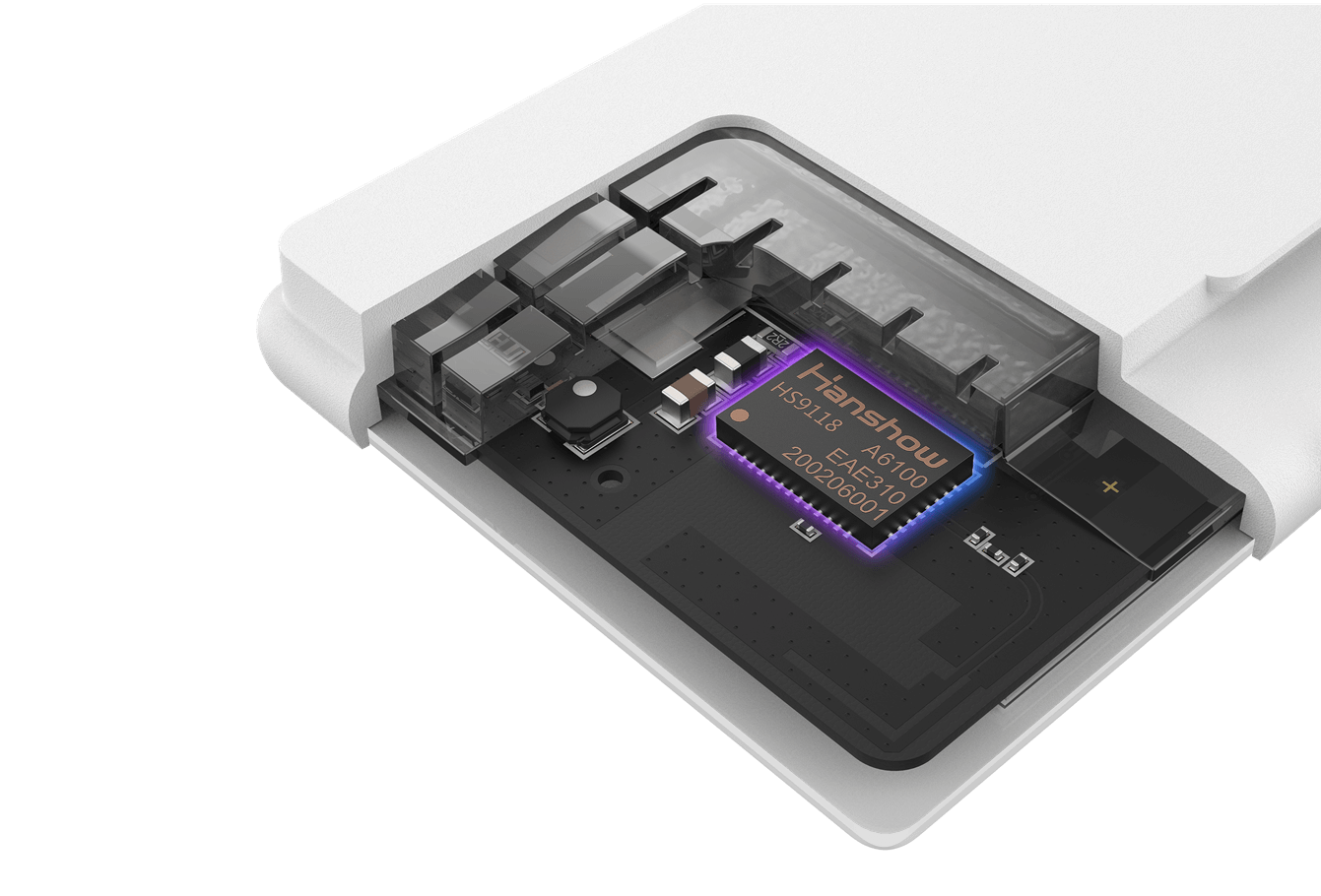
I judge systems by three things. First: update success rate (target 98%+ over seven days) — measure it after a routine promo push. Second: mean time to correct (MTTC) for a mispriced SKU — aim under 30 minutes if you can; that number tells you how your workflows and alerts are wired. Third: staff time reclaimed per week — track hours freed from manual relabelling and multiply by local wage to see real savings. Those metrics are concrete. They told me, in one case in April 2023, that improving BLE coverage and setting staggered OTA windows cut manual relabelling by 12 hours weekly (hello, payroll relief). — honestly, this stuff pays back fast.
Final thoughts and quick checklist
I firmly believe vendors and retailers must pair technical fixes with human-centred changes: clear SKU-to-shelf rules, runbook rehearsals, and a simple alert hierarchy. Don’t ignore small tests (one aisle, one store) before a full rollout. Check the OTA schedule, map BLE coverage, and validate SKU lists against POS exports on a weekday morning. That’s my straightforward playbook — no fluff, no marketing-speak. If you want a short starter: test one promo, measure update success, and adjust. You’ll see where your gaps are — fast. For practical reference and further tools, consider how Hanshow presents integration options and then adapt them to your stores; I’ve done it, and it made a difference.