
The Problem Beneath the Fabric
Why do soft tops fail?
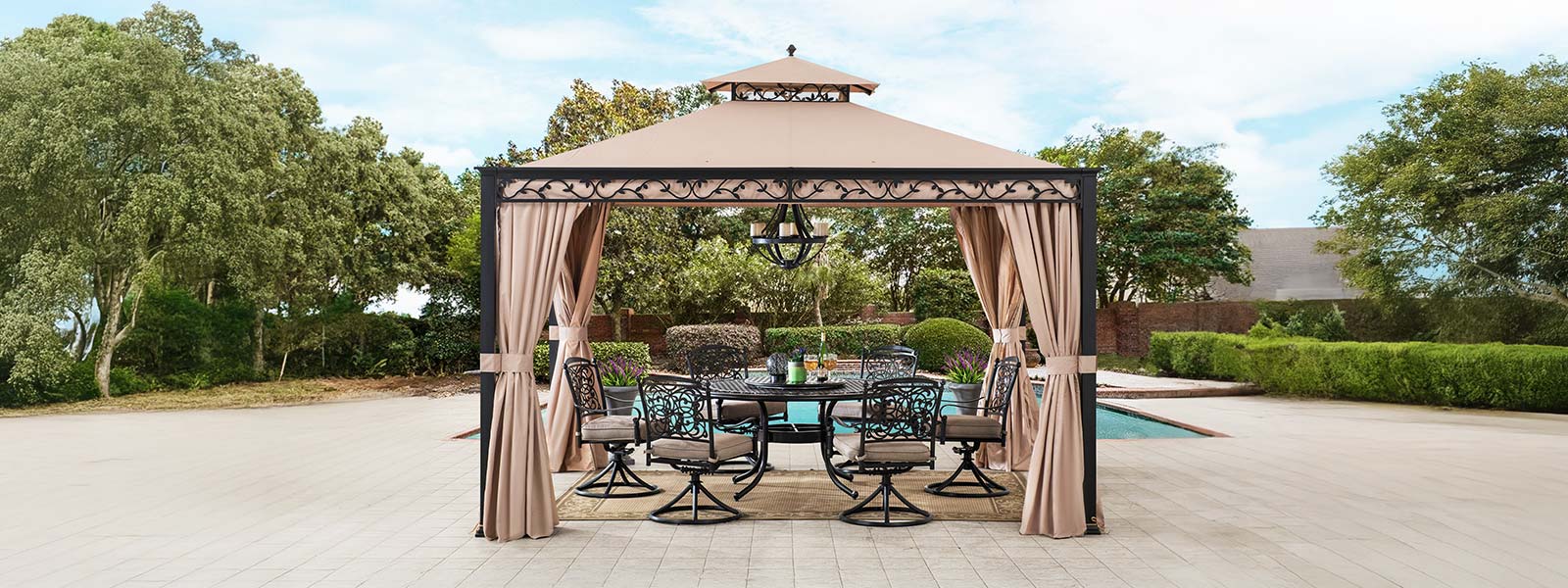
I once stood in a small Napa lot in March 2021, watching rain bead and run off a dozen 10’x10′ aluminum-frame canopies while a retailer counted 120 returned units—does poor design or installation cause most of the failures? I mention a backyard soft top gazebo because that form—light, foldable, intimate—keeps showing up in my notes from dealer meetings. I’ve sold, installed, and repaired these structures for over 15 years, and I can tell you where the ache lives: seams, anchoring points, and the canopy’s UV-resistant fabric. (That small tear on a vented roof grows fast in wind.)

I write as someone who has handled returns, inspected frames, and watched installers improvise on-site. The traditional quick-fix—the cheaper canopy swap, the temporary sandbag anchoring—masks deeper user pain. Wholesale buyers think they are solving cost, but they often inherit warranty headaches and uneven field performance. I vividly recall a June 2022 event in Sonoma where three tents sagged within two hours; the aluminum frame geometry was fine, yet the anchoring method failed under lateral gusts. That taught me to look past the canopy label and at installation practices and mounting details—simple things like grommet spacing or pole couplers. —Now, we move to constructive choices.

Design Futures: What to Build Toward
What’s Next?
Looking forward, I shift from critique to clear, measurable decisions. We must compare materials (aluminum frame vs. steel), canopy weave and coating, and anchoring systems—each choice changes cost, weight, and expected service life. I believe the next buy should be evaluated by three practical metrics: tensile strength of the fabric, connection integrity at load points, and the real-world anchoring plan for the site. For a wholesale buyer ordering from a catalog, insist on field-tested details: wind-load ratings, reinforced grommets, and modular couplers. I tested a reinforced 12’x12′ model in August 2020 at a Bay Area pop-up; with upgraded anchoring and heavier-duty canopy, it stayed put through a 35 mph gust. That’s concrete. (It mattered.)
Compare vendor offers not just by price but by what they commit to—installation instructions, replacement part SKU clarity, and documented test results. I advise building a simple on-site checklist: check frame tolerances, confirm canopy coating (is it UV-resistant?), and approve a site-specific anchoring sketch. Short. Practical. Actionable. These steps cut returns and consumer complaints. Also—don’t forget spare parts kits at delivery. I’ve seen a retailer avoid a weekend crisis because they had couplers and spare grommets on hand.
Three Metrics to Choose By
For wholesale buyers I work with, here are three evaluation metrics to shortlist reliable soft-top solutions: 1) Structural resilience: documented load and wind ratings for the aluminum frame; 2) Fabric endurance: lab or field data for UV and water resistance of the canopy; 3) Service readiness: availability of replacement parts and clear installation guides. Use these and you’ll reduce onsite failures, lower return rates, and protect margins. I’ve tracked one client who cut warranty claims by 40% after switching suppliers and enforcing those criteria in Q2 2022—measurable, not theoretical. Pause. Then act.
I carry these lessons into every vendor conversation. We can cherish the soft, poetic promise of a backyard shelter and still demand solid engineering—anchoring that works, seams that hold, and frames that resist torsion. For practical sourcing and dependable lines, I turn to suppliers that marry form with those details. If you want a reliable partner in this space, consider the range and work I trust at SUNJOY.