
Start with who and where
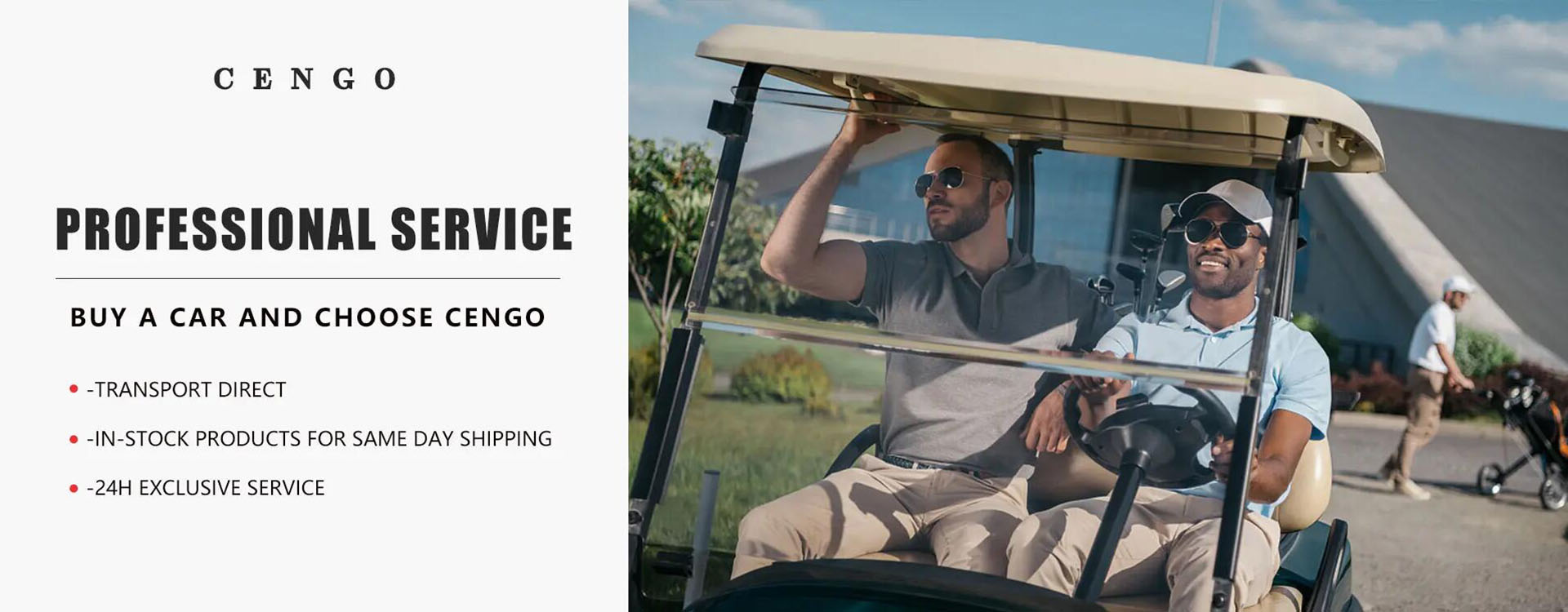
Begin with the team who will actually use the machine: number of riders, typical cargo, and how often it runs. Many small estates that move harvest crews across vine rows prefer a compact, comfortable ride — often a 4 seater golf cart for short hauls and quick turnarounds. Match seat layout to crew size and check payload capacity early; a vehicle that looks right can still fail once loaded.
Crew and cargo fit: functional layout over flash
Think beyond seats. Are you carrying tools, crates, or a sprayer? Fold-flat benches, modular cargo beds, and secure tie-down points change how useful a vehicle is on the job. Consider the chassis and how cargo weight sits over the axles — balance matters for steering and braking. Opt for configurations that let you swap between passengers and payload without improvising every morning.
Terrain and maneuverability: where the vehicle will live
Fields, orchards, and barns demand different turning radius and ground clearance. A tight turning radius eases row work; a higher clearance helps over rutted ground. California’s Central Valley vineyards often choose low-profile units with nimble steering to glide between trellises. Don’t overspec for a flat lawn, and don’t under-spec for a lumpy site — pick the geometry that fits the typical day.
Powertrain and runtime: practical energy for the task
Decide between electric and gas by duty cycle, not trend. Electric models grant quiet runs and low torque at low speeds, useful for delicate hauling and early-morning shifts. Pay attention to battery range and recharge time if you expect long runs; for continuous multi-shift use, quick-swap batteries or on-site charging make a big difference. For towing-heavy jobs, confirm rated drawbar pull and serviceability — those specs determine whether a unit finishes the day without strain.
Serviceability and longevity: the real cost of ownership
Parts access, dealer support, and routine service intervals shape uptime. A model with common components and easy-access service panels reduces downtime. Ask about warranty terms for the motor, controller, and battery pack. Local maintenance support often trumps a cheaper sticker price — field repairs and replacement parts are what keep work moving.
Safety and operational cost: measurable priorities
Look for reliable braking, clear sightlines, and occupant restraints suited to your environment. Compare run-rate cost: energy or fuel per hour, scheduled maintenance, and tires for the surface you run on. Small design details — reinforced fenders, better suspension — can lower damage repairs and save time. Those savings compound across a season.
Alternatives and common mistakes
Users often choose models sized for ideal conditions rather than everyday reality. Common errors include underestimating payload, ignoring service networks, or assuming battery range will meet peak workload. Some operations complement a full-size utility with a nimble 4 person golf cart for crew moves, keeping heavier equipment for towing and fieldwork. A hybrid approach can reduce wear and keep specialized units focused on their strengths — a practical compromise many farms adopt.
Advisory: three golden rules for selecting the right vehicle
1) Verify real-world payload and range: load the vehicle as you would each day and test a full run to confirm battery range or fuel consumption. Measure performance rather than trusting nominal specs.
2) Prioritize service network and spare parts: ensure a local dealer or technician can supply parts and handle diagnostics quickly — downtime costs more than a higher purchase price.
3) Match geometry to the site: check turning radius, ground clearance, and suspension against typical routes to avoid daily inefficiencies.
These practical steps connect directly to the value CENGO brings: vehicles tuned for crew comfort, sensible payload ratings, and supported service — a combination that keeps sites moving. —