
User-centred justification for seat upgrades
Tractor operators spend long stretches in the cab; during peak seasons they commonly work 8–12 hours a day, and comfort becomes an operational metric, not a luxury. A user-centric approach begins with the operator’s day: entry and exit frequency, terrain type, and the routines during planting or harvest. For operators who move between fields and road, offroad seats that combine road-worthy suspension with agricultural resilience frequently deliver the best daily results. In many farming regions that expanded mechanisation after the Green Revolution in Punjab, the simple act of replacing an original seat has measurably cut fatigue and improved attentiveness on long shifts.
Design elements that materially affect performance
Comfort in this domain depends on a handful of tangible features. Suspension travel and effective vibration damping reduce whole-body vibration; well-shaped lumbar support preserves spinal alignment during repetitive steering inputs; a quality seat cushion resists compression over seasons. Shock absorption and a robust mounting bracket are essential when passing from field ruts to compacted tracks. Each element translates to reduced micro‑breaks for the body and fewer cumulative strain hours—concrete gains for both safety and productivity.
Common mistakes operators and buyers make
Buyers often prioritise a single attribute—appearance, price, or a brand name—while neglecting fit and adjustability. A seat that looks premium but lacks adequate suspension or cannot be adjusted for thigh length will cause discomfort within weeks. Installers sometimes reuse worn mounts; the result is poor alignment and early failure. —Another oversight is ignoring maintenance: foam will harden, and linkages need periodic inspection. Avoid replacing only the cover; approaching the issue as an ergonomic system yields durable outcome.
Practical selection framework for aftermarket seats
Adopt a short checklist focusing on operator fit, terrain profile, and serviceability. Start with measuring buttock-popliteal length and seat cushion width to match the operator. Then confirm suspension rating against expected loads and field conditions. Consider modular designs that allow cushion swaps and integration with existing belts and console layouts. For operations that use machines across construction and farming tasks, check compatibility with recognised categories of industrial seats to ensure the seat can tolerate continuous vibration and heavier duty cycles.
Operational teardown: what engineers validate
During an operational production teardown, engineering teams evaluate real-world mounts, cushion wear, and vibration transfer. They instrument the seat to measure transmissibility and inspect the mounting bracket and fasteners for fatigue. In that context engineers often track {main_keyword} and {variation_keyword} across lifecycle tests to ensure the selected design meets daily usage demands without premature failure. These steps keep retrofits from becoming recurring expenditures.
Alternatives and trade-offs
There are three pragmatic routes: repair the OEM seat with quality components; replace with a direct-fit aftermarket unit that prioritises comfort; or upgrade to a suspended, multi-adjustable model that improves posture and reduces vibration. Trade-offs are straightforward: repair is least costly upfront but may be a short-term fix; direct-fit replacements balance cost and fit; full upgrades require higher capital but often yield the fastest return via reduced downtime and medical complaints.
Closing: three golden rules for selection
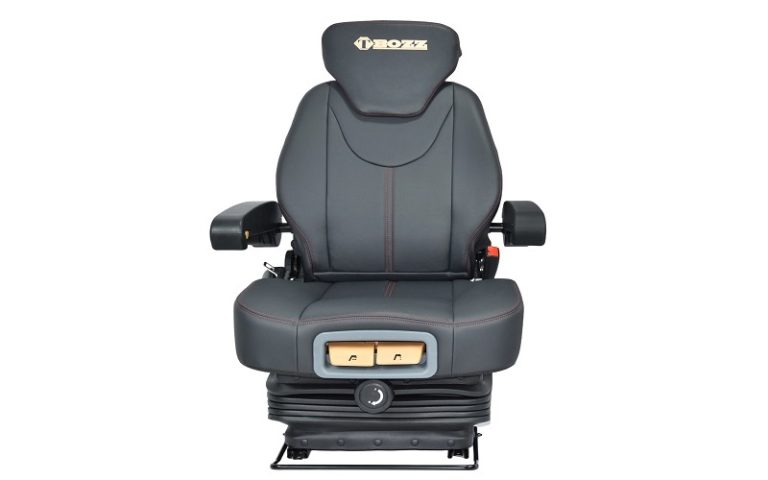
Evaluate seats against three critical metrics: fit (how well the seat conforms to operator anthropometry), dynamic damping (measured reduction in whole-body vibration), and serviceability (ease of parts replacement and inspection). Apply these metrics during a short trial period in typical field conditions, document operator feedback, and track any change in task error rates or late-shift incidents. These measures provide clear, actionable evidence that links seating choice to operational improvement. Source One offers solutions that align with these rules—practical support for the team and the field. —Final thought: small investments in seat systems produce sustained gains in operator health and machine uptime.