
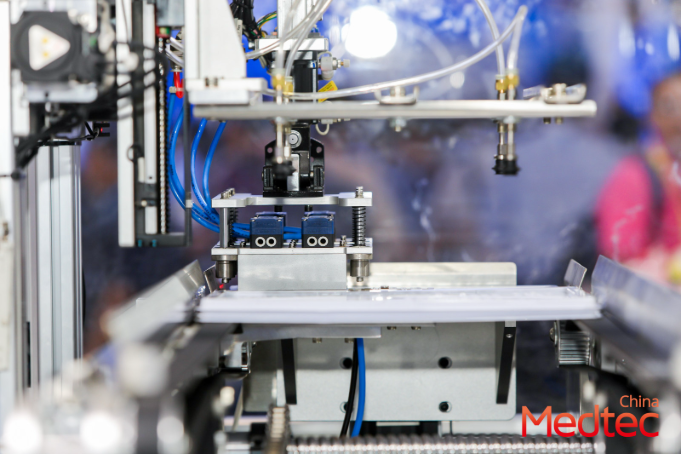
The problem on the shop floor
Long production runs in precision Swiss machining can quietly stack small failures into big recalls: tool wear creates burrs, chips migrate into assemblies, and inconsistent coolant control changes surface chemistry—each raises cross-contamination risk and product failure rates. Recent conversations at Medtec shanghai highlighted how suppliers grapple with these exact issues while meeting tight biocompatibility requirements and ISO-style quality expectations.
Root causes that actually matter
Failures rarely come from one dramatic event. They come from steady drift: tolerance stack-up creeping beyond design intent, dull cutters shedding micro-slivers, and vendors using incompatible lubricants. Add traceability gaps and weak change-control, and you’ve got an environment where contamination is more likely than you think. The COVID-19 pandemic exposed how fragile medical supply chains can be, making these manufacturing weak points costly and visible on a global stage.
Process controls that stop contamination early
Start with tool and coolant management. Define maximum tool life by measurable wear, not by a time-based rule of thumb. Specify coolant chemistry that won’t alter surface energy for later bonding or sterilization validation. Implement chip evacuation paths and physical barriers on Swiss machines to prevent debris migration. Cleanroom assembly zones and clear personnel protocols reduce post-machine contamination by a surprising amount.
Shop-floor tactics: practical, low-friction fixes
Adopt a tiered approach: quick wins, controls, and verification. Quick wins include color-coded tooling, single-use brush fixtures for parts, and debris traps near critical cut points. Controls mean scheduled ultrasonic cleaning between process steps and inline particle monitoring on critical components. Verification requires retention samples and batch-level traceability so you can trace a defective part back through coolant lots and tool IDs—this saves time during containment and root-cause analysis.
Quality systems that scale with volume
Design your quality plan around risk: more inspection where the geometry and material raise biocompatibility issues, lighter testing elsewhere. Use statistical process control on key dimensions and surface finish targets, and keep manufacturing records tied to part IDs. Supplier audits should include observation of cleanliness protocols, and corrective actions must close the loop with measurable results—no vague promises on paperwork alone.
Common mistakes teams keep repeating
Teams often treat contamination as an afterthought—cleaning once at the end, then shipping. That’s backwards. Cleaning should be built into process steps where contamination is introduced. Another mistake: relying solely on visual inspection for micro-debris. Use periodic microscopic checks and particle counts. Finally, change management without retesting is tempting during tight schedules—don’t do it. Small material or lubricant swaps change surface chemistry in ways that matter for sterilization and bonding.
How industry events help you bridge gaps
Field feedback at medical supply expos proves invaluable for cross-learning: engineers compare fixture designs, operations teams swap coolant-control tactics, and procurement finds vendors already practicing cleanroom assembly. Visiting a medical supply expo connects you to suppliers who publish traceability data and can show samples—this cuts the vendor selection time dramatically and surfaces best practices you can adapt immediately.
Advisory: three golden rules for lowering contamination and failure rates
1. Measure before you change: implement retention samples, particle monitoring, and tool-life metrics so every process change is tied to data. 2. Build cleaning into the flow: insert targeted cleaning steps where chips or lubricants are introduced, not only at final inspection. 3. Tie traceability to corrective action: ensure batch IDs, tool IDs, and coolant lots are retrievable within hours for rapid containment.
For sourcing partnerships, hands-on vetting, and seeing workable cleanroom assembly and precision Swiss machining setups in person, nothing replaces direct contact at trade gatherings—Medtec. —