

Why this checklist matters — the urgent problem
You need suppliers that won’t break your production rhythm. Miss a spec or a process step and a whole EV line stalls. That pressure hits hardest when integrating long, thin cells into modules on a blade battery assembly line. Manufacturers racing to scale have seen quality gaps; remember the 2020 debut of CATL’s Blade battery — it made clear that new formats demand new supplier disciplines. This checklist targets the real failure modes: mismatched tolerances, flaky process controls, and invisible supply-chain assumptions that show up as scrap or warranty claims. Get it right now, or you pay for it later.

Supplier selection — technical fit and capability
Pick suppliers who prove they can handle the geometry and throughput of blade-style packs. Look for these hard checkpoints before you sign:- Material & process samples: require fully assembled mock-ups, not just component samples.- Precision spec compliance: tolerances for cell fixtures, busbar presses, and weld locations down to the mm.- Throughput evidence: real cycle-rate data under production conditions.- Traceability systems: serialized tracking that ties every module to process logs.- Contract terms: penalties for process drift and defined rework responsibilities.
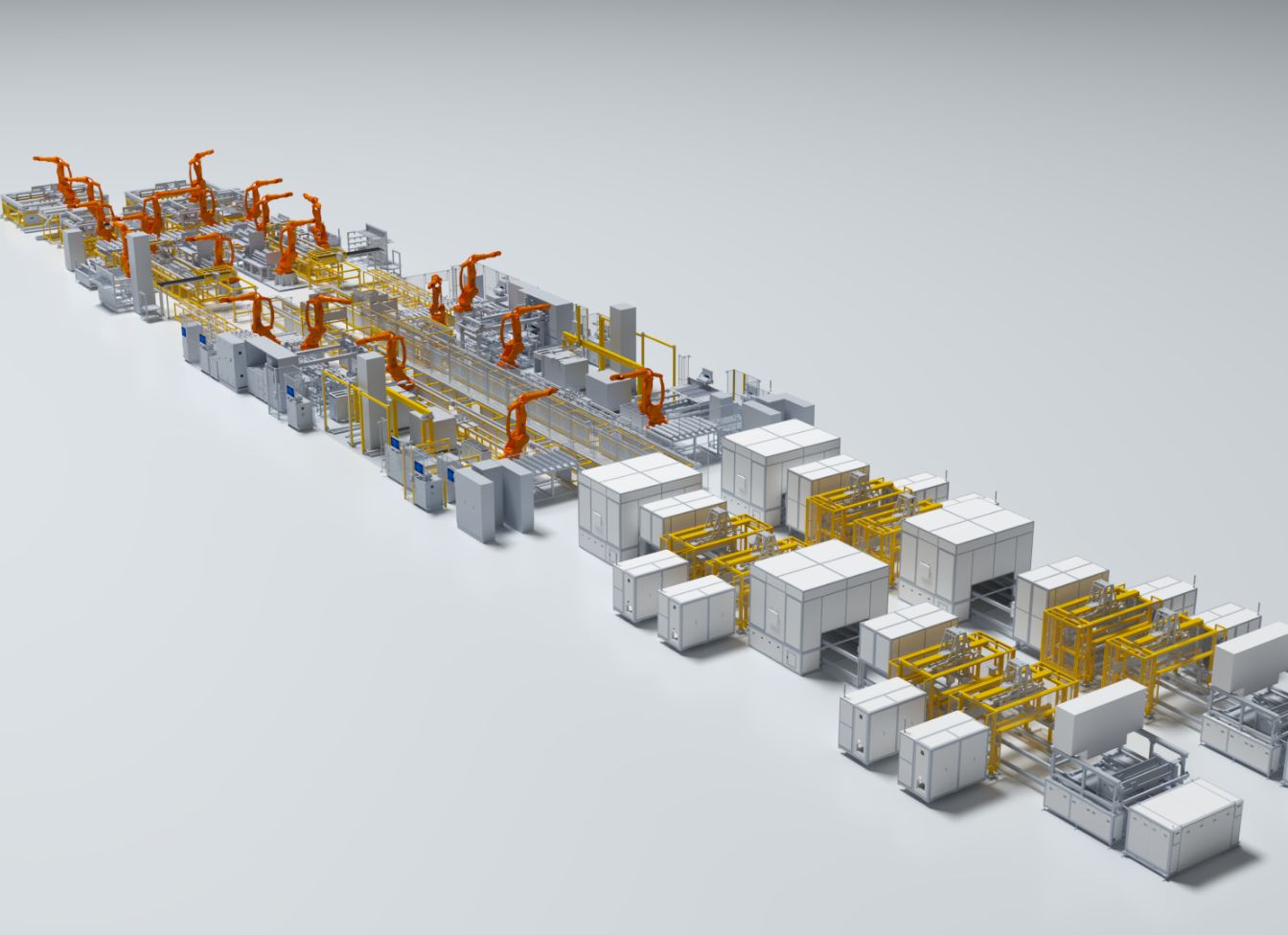
Equipment and process validation — concrete checks
Don’t accept “we can adapt” as proof. Validate equipment and automation that touches cells and tabs. Key validation items:- Machine qualification: run production-power cycles on the exact tooling that will be used in-line.- Calibration routines: documented schedules and drift rates for presses, dispensers, and robotic welders.- Safety and thermal handling: active cooling plans and thermal profiling for string welding.- Spare-parts lists and MTTR targets. Also confirm supplier familiarity with modern blade battery production equipment — vendors that can’t map cycle time to heat load will surprise you.
Electrical joining and mechanical integration — don’t guess
Weld quality, contact resistance, and mechanical support make or break pack performance. Require:- Microsection weld reports and contact-resistance statistics.- Force-distribution studies for clamping jigs.- Vibration and shock test plans tied to vehicle targets.- Adhesive and potting traceability with cure profiles logged.
Testing, inspection, and data flow — prove it every run
Every batch should generate a proof trail. Mandate:- Inline electrical tests per cell string and post-assembly functional tests.- Automated visual inspection with rejection analytics.- Process data retention for the full warranty window.- Sampling plans tied to failure modes, not arbitrary percentages.
Logistics, service, and contingency planning
Supply problems rarely stay local. Lock down these operational items:- Dual-sourcing for critical tooling elements.- JIT vs buffer policies defined to your risk tolerance.- Service SLAs for on-site technicians and firmware updates.- Clear spare inventories and rapid-replacement kits for critical modules.
Common pitfalls and how to avoid them
You’ll see the same mistakes at different suppliers. Stop them with these actions:- Accepting verbal claims about cycle time — insist on timed runs with your cells.- Skipping long-run thermal tests — run full-shift heat soak cycles.- Overlooking software version control — require signed firmware baselines.- Treating calibration as paperwork — demand trend charts and corrective actions.
When alternatives matter — trade-offs to weigh
Sometimes the quickest supplier isn’t the right one. Compare options on three fronts:- Speed vs. stability: faster setup may cost more in defects.- Custom tooling vs. standardized jigs: custom fits performance, standards cut risk.- Local service vs. lower-cost distant vendors: factor travel time and part lead times into downtime cost models.
Final synthesis
Clear problems call for strict, testable solutions. Use this checklist to force facts, not promises, out of suppliers. Verify equipment, demand traceable data, and plan for real-world service. Those steps align suppliers with your production goals and keep assembly lines moving — and they reflect what experienced teams expect from partners like FHS when integrating blade-format packs into full-scale EV manufacturing.