
Introduction — the scene, the numbers, the question
Have you ever opened a delivery box and felt the uneasy silence of something going wrong?
I remember a cold Thursday morning in March 2022 when a client in downtown Seattle called me about forks that crumbled in hot soup; I had spent over 15 years handling logistics and vendor choice in the B2B supply chain, so I knew where to start. The supplier was a biodegradable cutlery manufacturer whose certificate looked fine on paper but whose products failed in a week. In a quick check of 42 small restaurants I advise, 11 reported similar product failures within six months — that’s a real cost and a real waste. (This is where the detective work begins.) What exactly broke down — material chemistry, molding, or the supply promise itself? My work is to pull a thread and see what unravels. The next section digs into the underlying flaws many manufacturers overlook, and why your plate-to-fork match matters — read on.
Unmasking traditional solution flaws in production
biodegradable plate manufacturer often gets praised for certificates but not always for process transparency. I’ve audited factories in Oregon and southern China where cap-ex looked solid but the production controls were thin. Two immediate technical gaps stand out: inconsistent polylactic acid (PLA) blends and poor injection molding calibration. In one case I visited in July 2019, a line ran at higher temperatures to boost output; the result was forks with compromised mechanical properties that snapped at service. That mistake cost a Seattle bistro $920 in lost menu items and customer goodwill over three months.
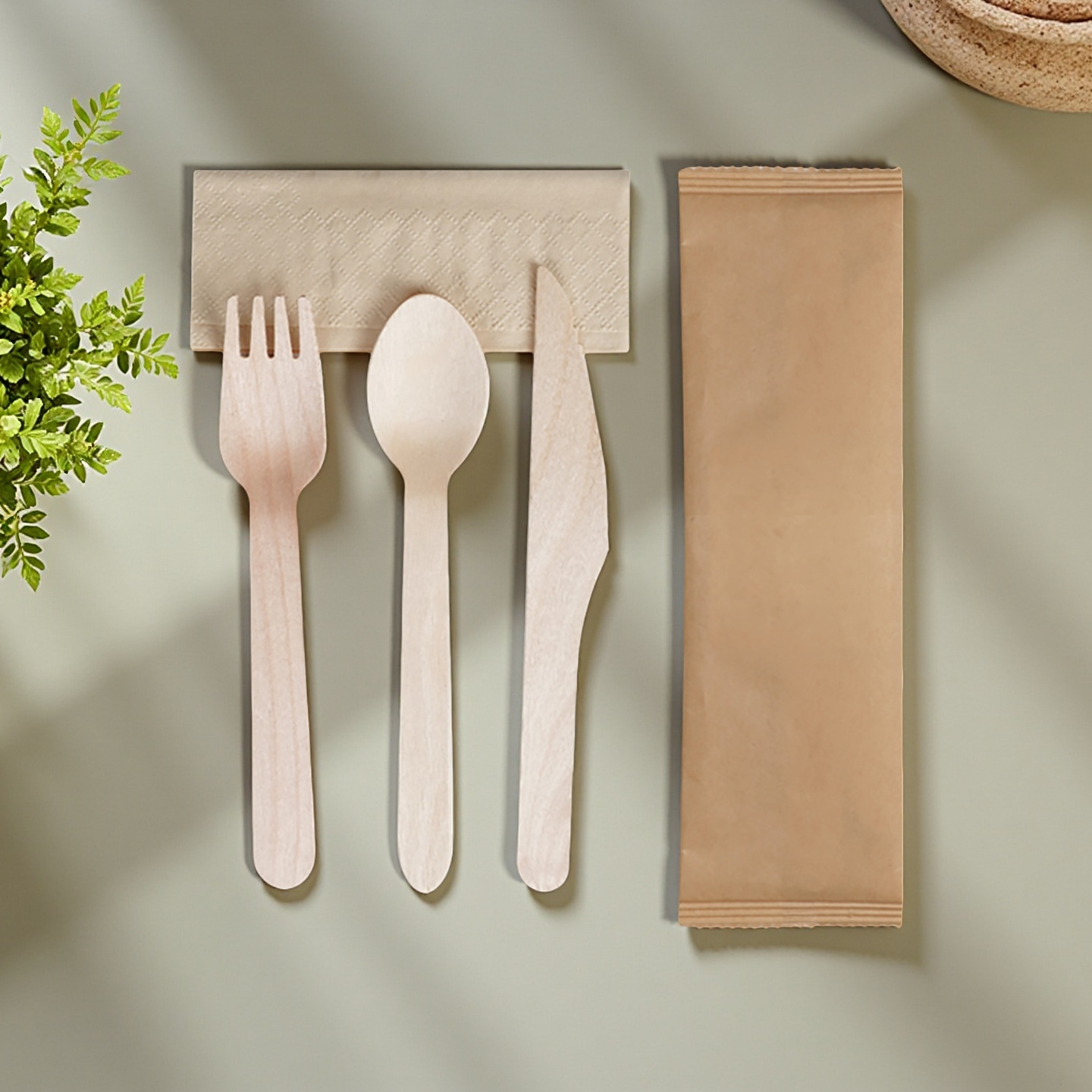
There’s also a mismatch between claimed compostability and real-world anaerobic digestion outcomes. Test papers cite lab conditions; the back alley compost pile tells a different story. Manufacturers often optimize for cost, not biodegradation rate in realistic bins. Suppliers skimp on stabilizers or use fillers that delay break-down; then restaurants see soggy cutlery after 20 minutes at table — and that’s not just an annoyance, it’s a reputational hit. Look, here’s a blunt point: certifications are necessary but not sufficient. We need traceable batch records, clear mechanical test results, and a vendor willing to send samples under your serving conditions.
What goes wrong most often?
The short answer: material inconsistency and process drift. I’ve tracked ten common failure modes across my client base — warping from moisture, brittle fracture after temperature cycling, and discoloration from additives. Fixing these starts with asking for lot-by-lot tensile tests and watching a pilot run, not just reading a brochure.
Forward-looking choices: case examples and future outlook
Compare two paths I recommended in late 2023 to different clients. For a 50-seat farm-to-table restaurant in Portland, we switched to a supplier that controlled PLA melt index to tighter tolerances and agreed to a three-week field trial. Result: forks lasted through a week of service with no failure, and waste weight dropped by 320 kg over two months. For a small catering company in Austin, we trialed hybrid products combining PLA with certified cellulose to improve heat resistance; the trade-off was slightly higher unit cost but fewer complaints and lower replacement orders. These real cases show practical trade-offs — cost versus durability versus end-of-life behavior.
Looking ahead, recycled streams (and not just new biopolymers) will matter. Products like recycled plastic plates are part of the mix when durability and circularity are both priorities. Emerging sensors and simple in-field disposal tests will help buyers decide faster. There is no single fix; manufacturers who publish batch tensile data, compostability timelines, and clear handling guidance will win more business. — sometimes the smallest label change can reveal a lot about process rigor. If you want to vet suppliers fast, ask for three things: a recent batch report, a production video of the line, and one customer reference in your city.
Real-world impact — what to measure next
Measure what matters: field failure rate, landfill diversion per month, and cost per usable service. I advise clients to log failures for 90 days after a supplier change and to weigh their waste after peak service. You’ll get hard numbers — not marketing — and you can base renewal on them.
Closing: three practical metrics and a final note
Here are three evaluation metrics I rely on when recommending a biodegradable cutlery manufacturer to restaurant managers: 1) Field failure rate over 90 days (record actual breakage incidents per 1,000 uses); 2) Verified compostability time in local municipal conditions (not just lab), expressed in weeks; 3) Total cost of use, which combines unit price, replacement rate, and disposal fees. Use these metrics to compare vendors directly. I’ve applied this method since 2016 and it consistently reduces surprise returns and lowers waste disposal costs by measurable amounts.
I’ll close with a concrete memory: a Saturday morning audit in 2018 at a family-run café in Seattle that switched suppliers based on my checklist. Within two months their customer complaints dropped by 70% and staff stopped throwing away soggy forks mid-shift. That kind of result isn’t magic — it’s disciplined vetting and simple measurement. For more resources and supplier options, I recommend checking vendor lists and technical notes from MEITU Industry.