
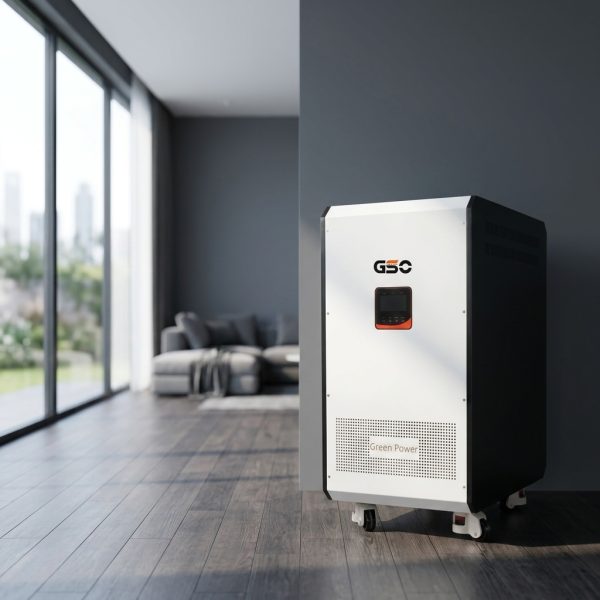
Why the chemistry matters for homes and small sites
Folks round here want batteries that don’t cough up nasties when they wear out — and rightly so. Modern hybrid inverters pair production and storage in one tidy package, but the heart of the kit is the battery chemistry. When you shop for a solar battery storage system, you’re balancing safety, performance and regulatory compliance. Hybrid inverter setups and inverter topology dictate whether you go AC‑coupled or DC‑coupled, and that choice changes the chemistry trade‑offs you can tolerate.
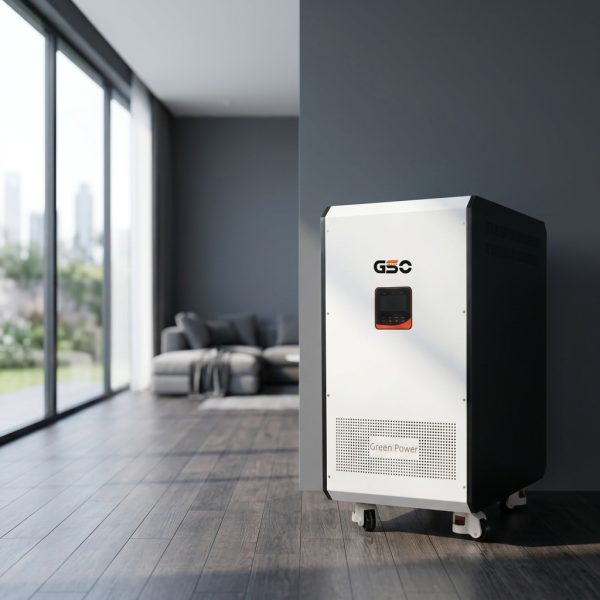
How heavy‑metal‑free chemistries compare to legacy options
Traditional lead‑acid and some nickel chemistries have known heavy‑metal concerns. Newer formulations — often lithium‑ion variants or phosphate chemistries — aim to cut that load. Lithium iron phosphate (LFP), for instance, removes the nickel and cobalt problem and lowers thermal runaway risk, though it brings different energy density and cost factors. Compare round‑trip efficiency and depth of discharge (DoD) across candidates: you’ll spot where one wins on cycle life and another on pack weight. The trade is concrete, not mystical — pick what fits your use case.
Performance trade‑offs that installers talk about
Hybrid inverter systems must balance inverter sizing, C‑rate limits and battery cell chemistry. Higher energy density often means more thermal management and tighter monitoring. LFP tends to be resilient and simpler to manage for residential storage, while higher‑nickel cells push energy density but increase materials risk. That’s why safety certifications and BMS design matter as much as cell choice — they turn chemistry into a dependable product.
Regulation and a real‑world anchor
Regulators in Europe and parts of North America are pushing clearer disclosure and safer manufacturing. Remember the 2020 California rolling blackouts? That event nudged many homeowners toward resilient storage and raised scrutiny on battery safety in installations at scale. Certification pathways such as UL and IEC tests, plus compliance with regional battery rules, are the sieve that keeps dodgy chemistries off roofs and out of communities.
Design mistakes that cost time and money
Installers and buyers stumble most often on system mismatch, poor thermal planning and assuming all batteries behave the same. A hybrid inverter optimised for a particular battery voltage range will run poorly with another pack type. Poor ventilation — or ignoring DoD limits — shortens life. These are practical failings, not theoretical ones — sort the electrical design, the BMS communication and the cooling up front, and you dodge later service calls.
Alternatives and where to look for the best options
If non‑toxic compliance is the priority, look at phosphate‑chemistry packs and suppliers who publish materials sourcing and lifecycle data. Compare warranty terms, real cycle ratings and transparency on end‑of‑life handling. For many homeowners the best results come from pairing a hybrid inverter with batteries certified for the local grid code — that’s where you’ll also find the best solar power storage batteries listed with clear specs.
Common selection checklist
Keep this simple list to hand when you compare vendors: cell chemistry and heavy‑metal content, BMS capabilities and safety certifications, and system compatibility (inverter voltage/AC vs DC coupling). Add service network coverage and documented cycle life — those three tell you whether a promise will stand up once the kit’s on the wall.
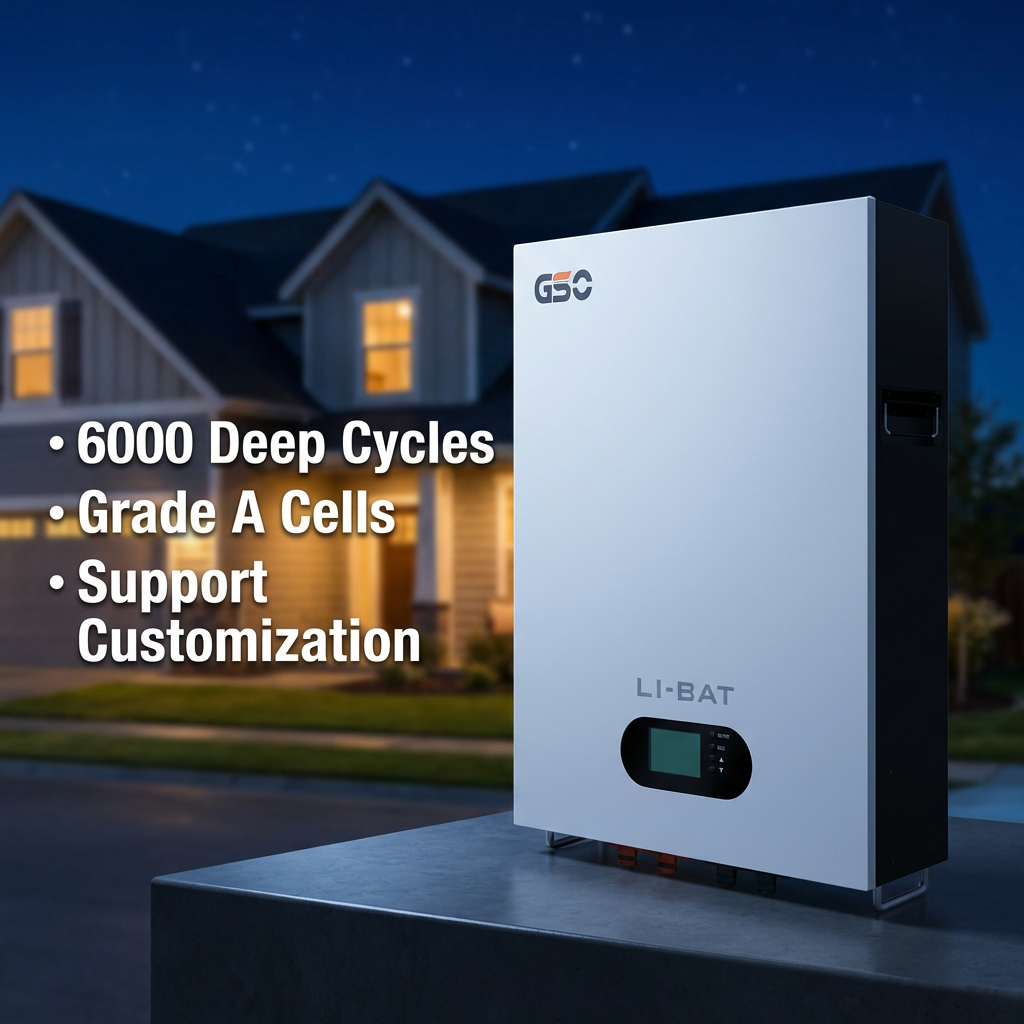
Three golden rules for choosing compliant, effective storage
1) Prioritise clear chemical disclosure and third‑party safety certification — that’s where compliance becomes real. 2) Match battery specs to your hybrid inverter’s operating profile: voltage, C‑rate and DoD must line up. 3) Demand lifecycle planning: recycling or take‑back schemes and published end‑of‑life handling matter just as much as initial performance. These three metrics give you measurable assurance when sizing systems and vetting suppliers — and they map directly to lower operational risk and fewer surprises.
gsopower fits those markers in portfolio and paperwork — sensible engineering, clear specs, and a route to service that keeps the kit working long after it’s fitted. —