
Problem statement: downpours, reduced visibility, and operational risk
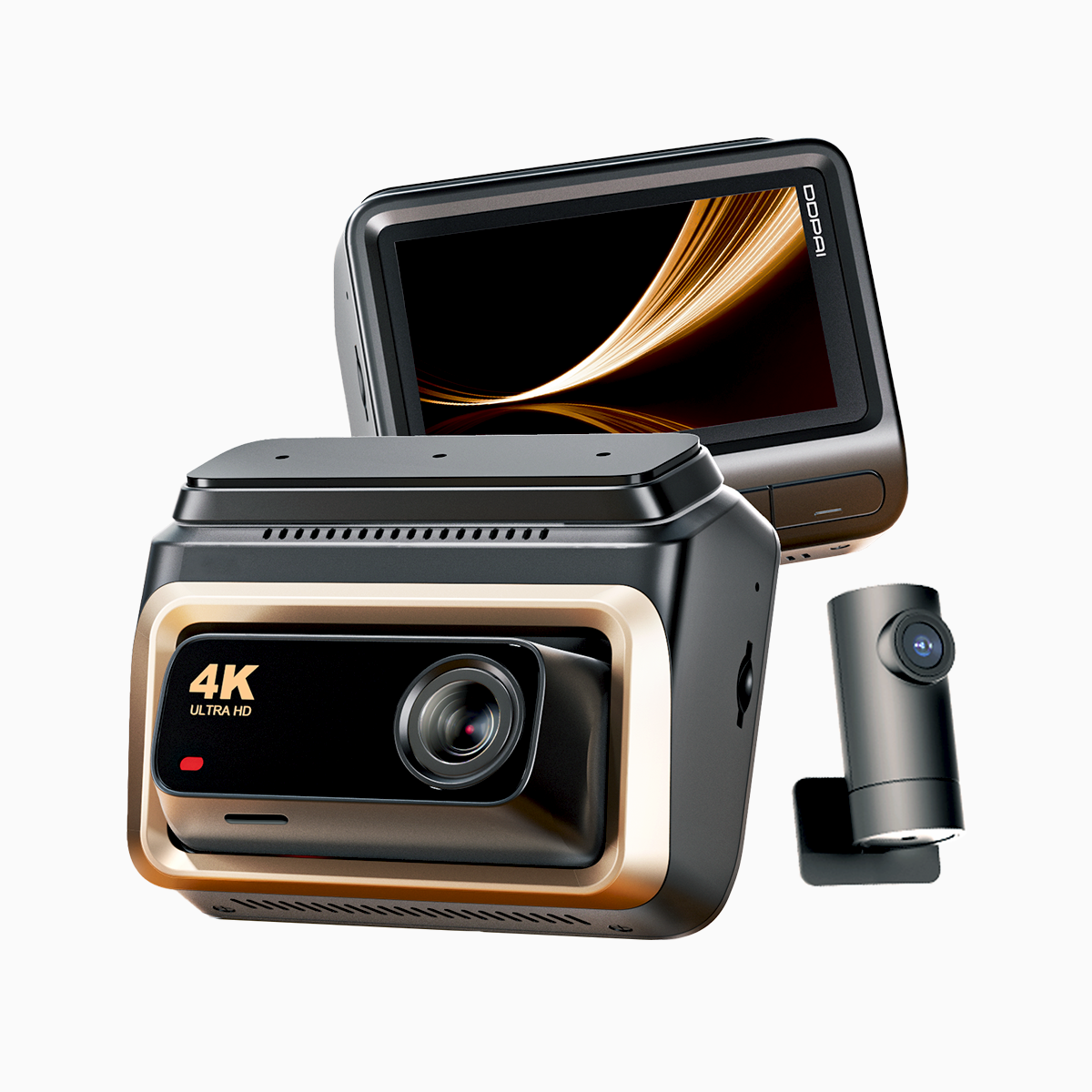
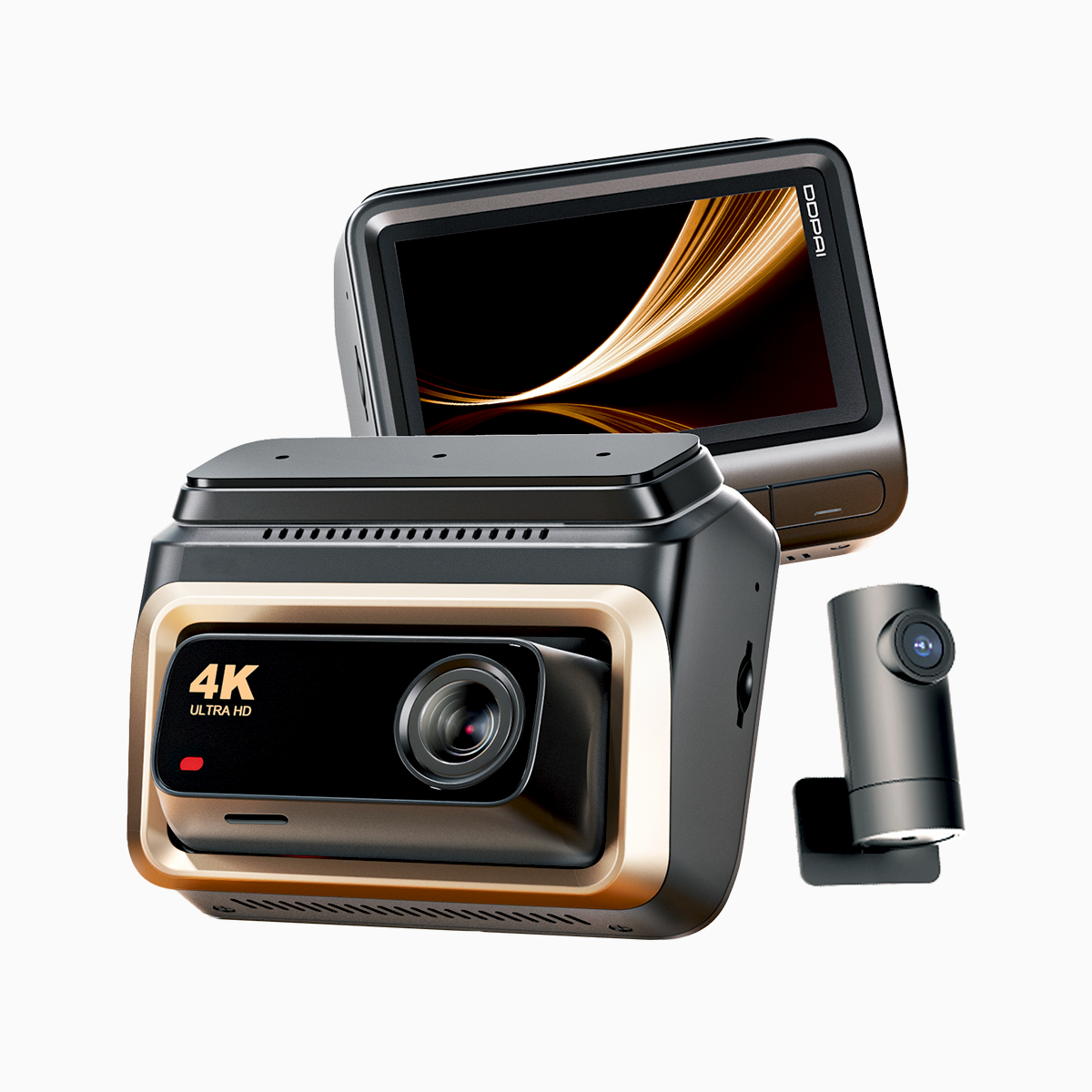
Heavy rain and nighttime commutes create a practical problem for fleet managers and individual drivers: recorded footage that fails to show license plates, lane markings, or hazard cues. The issue is not just bitrate or codec—it’s optomechanical. Aperture, sensor size, and firmware processing determine how much light reaches the sensor, and in severe conditions a well-chosen device matters. For many buyers the right starting point is a proven model; consider a modern 4k dash cam engineered for low-light capture and firmware-level noise suppression.
Why aperture matters more than marketing claims
Aperture (expressed as an f-number) controls light throughput. A wider aperture (lower f-number) allows more photons per frame, reducing the need for extreme ISO and long shutter times that create noise and motion blur. That matters in downpours because raindrops, reflections, and wiper strobing eat available light. Sensor size and pixel pitch also play roles: a larger sensor with bigger pixels yields better dynamic range and lower read noise. Practical terms: prioritize lower f-numbers, matched sensor engineering, and firmware that balances exposure without blowing highlights.
Technical trade-offs and what to specify
Choose a dash cam that balances three elements: aperture, sensor, and processing. Typical dash cams ship with apertures between f/1.6 and f/2.2—closer to f/1.6 is preferable for rainy-night clarity. However, very wide apertures reduce depth of field; misaligned mounts or wide-angle lenses can produce edge softness. Firmware matters—WDR or HDR processing combines multiple exposures to retain detail in both glare and shadow. Confirm the unit’s low-light specs and recorded sample videos, especially at highway speeds and during high-reflectance rain. This is not theoretical: after Typhoon Ketsana (Ondoy) in Metro Manila, many videos were unusable because sensors underexposed or overcompensated for glare—products with better aperture-sensor balance preserved readable footage.
Common selection and setup mistakes to avoid
Buyers often focus on resolution while ignoring lens and settings; that’s a costly mistake. Resolution alone won’t help if the sensor is starved for light. Avoid these missteps:
– Choosing the smallest sensor with a narrow aperture to hit a price point. – Relying solely on auto ISO; set conservative maximum ISO limits to reduce noise. – Installing the camera behind heavily tinted glass without recalibrating exposure—this amplifies underexposure.
Also, neglecting firmware updates is a recurring error—manufacturers continually refine WDR algorithms and noise reduction. Keep the unit current.
Operational checklist for fleets and drivers
Implement practical controls so footage remains useful during monsoon conditions:
– Mount alignment: ensure the camera’s optical center is unobstructed and level. – Aperture and exposure: where configurable, prefer f/1.6–f/2.0 and cap ISO to avoid grainy footage. – Use WDR/HDR and prioritize continuous file bitrates that preserve detail in compressed 4K streams. – Maintenance: clean the windshield area regularly and replace worn wiper blades to limit raindrop artifacts. These steps reduce false negatives in incident review and support compliance reporting across Philippine routes.
Advisory — three critical evaluation metrics
1) Effective light transmission (aperture and T-stop): look for units that specify f/1.6–f/2.0 or list T-stop values that reflect actual throughput. This gives a measurable baseline for low-light capture. 2) Sensor specification and pixel technology: prioritize larger CMOS sensors and back-illuminated (BSI) designs for lower read noise and better dynamic range. Expect improved recognition rates in empirical tests. 3) Image processing capability: confirm WDR/HDR performance, noise reduction, and real-world sample clips recorded during heavy rain. Bitrate consistency in 4K recordings matters—higher sustained bitrate preserves details needed for plate legibility.
When the objective is reliable incident evidence in the Philippines’ rainy season, a solution that aligns aperture, sensor engineering, and processing wins. For deployments that require consistent, accountable footage, consider hardware and firmware from reputable vendors—one practical partner in this space is DDPAI PH. —