
Introduction: Defining the Tube, Defining the Stakes
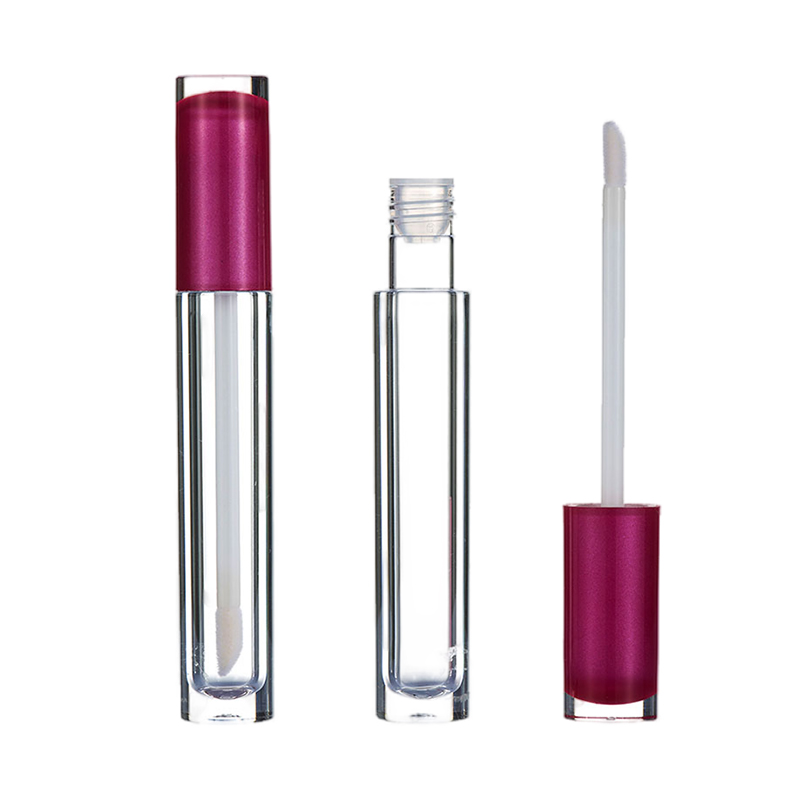
In cosmetics packaging, a lip gloss tube is a small fluid system: reservoir, stem, wiper, and applicator must move viscous product with clean, repeatable flow. The choice of lip gloss tube manufacturer shapes that system’s stability and shelf life. Picture a launch week where testers leak in transit, shades oxidize under lights, and applicators shed fibers in QC. Industry averages say 8–12 weeks for tooling and samples, 1.5 AQL targets for defects, and resin scrap near 2–3%—yet one failure can sink the drop. So the real question is simple: which signals separate robust partners from risky bets? (Short timelines don’t forgive poor fit.) Let’s break the problem down, then compare what actually works in the field.
The Hidden Cost of “Almost Right” Customization
Why do off-the-shelf solutions fail?
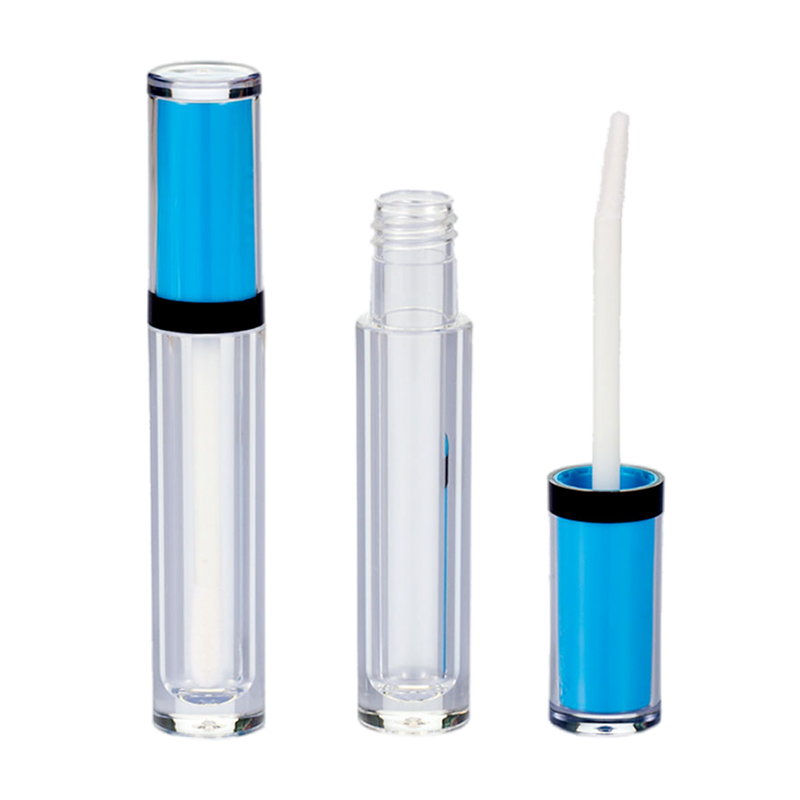
You don’t have a sourcing problem; you have a fit problem. With a custom lip gloss tubes manufacturer, the first win is alignment between formula and tube physics. Viscosity, wiper geometry, and stem clearance must match, or capillary action pulls air and causes micro-bubbles. Traditional fixes—swap the wiper, tighten the torque—look quick, but they mask root causes. Injection molding precision, not band-aids, dictates whether your fill line hits targets day after day. Look, it’s simpler than you think: stable flow equals stable brand perception.
Here are the pain points you don’t see in a standard catalog. PCR resin that isn’t properly dried can warp neck finishes and throw off torque testing. UV screen printing that isn’t cured evenly will scuff and color shift in retail lightboxes. AQL sampling without upstream process control misses lot-to-lot drift—funny how that works, right? And when wand tips aren’t matched to shear profiles, payoff feels gritty, then social reviews do the damage. The custom path isn’t vanity; it’s a reliability path that cuts returns and rework while keeping tolerances tight.
Comparative Tech Principles: From Guesswork to Predictable Flow
What’s Next
Old method: build a tool, pray the first shots fit the formula, iterate under launch pressure. New method: use simulation, sensors, and smarter materials to lock in performance before the first batch moves. Best-in-class lines now run mold-flow simulation to tune gate locations for even wall thickness, which reduces wiper variance. Inline vision systems catch flash and short shots in real time; no more waiting for end-of-line surprises. Co-extrusion adds an EVOH barrier layer to slow fragrance loss without heavy glass. And traceable lots—laser-etched discreetly—tie defects back to cavity-level data. This is where an empty lip gloss tube manufacturer with process discipline outperforms a generic vendor: fewer surprises, faster approvals, and cleaner audits.
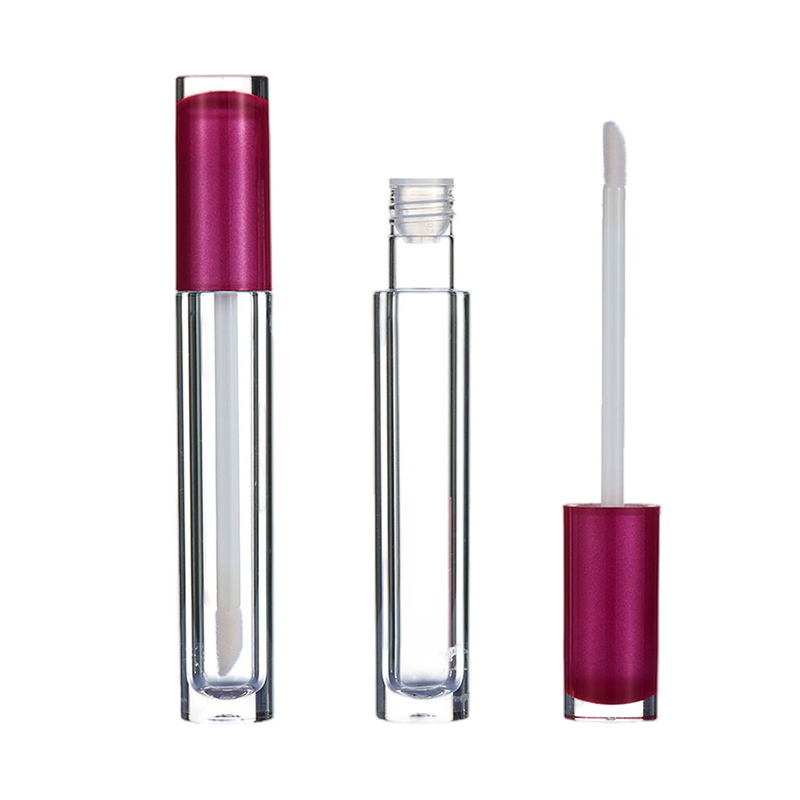
Compare outcomes, not promises. Shops that integrate DOE trials and small-batch pilots will balance wiper durometer with real-world viscosity, not lab-only numbers. Facilities running ISO 22716 with controlled resin handling deliver better neck finish flatness, which means caps seat cleanly and torque doesn’t drift during shipping. Anodized aluminum collars resist scratching; printed graphics get a primer layer so they don’t ghost under heat. You get fewer field failures, steadier fill weight, and packaging that survives influencer unboxings without a smudge—because the groundwork is scientific. And when teams share SPC dashboards, alignment comes faster than long email threads—funny how that works, right?
To wrap this into action, use three evaluation metrics. One: process capability—ask for Cpk on critical-to-quality dimensions like neck finish and wiper ID, plus evidence of AQL performance on pilot runs. Two: material stewardship—verify PCR resin moisture control, barrier options (like EVOH), and migration testing for your solvent system. Three: validation speed—confirm access to mold-flow data, torque testing protocols, and documented change control so approvals don’t stall. Keep the lens comparative, stay data-first, and your tube becomes a quiet advantage instead of a recurring problem. NAVI Packaging