
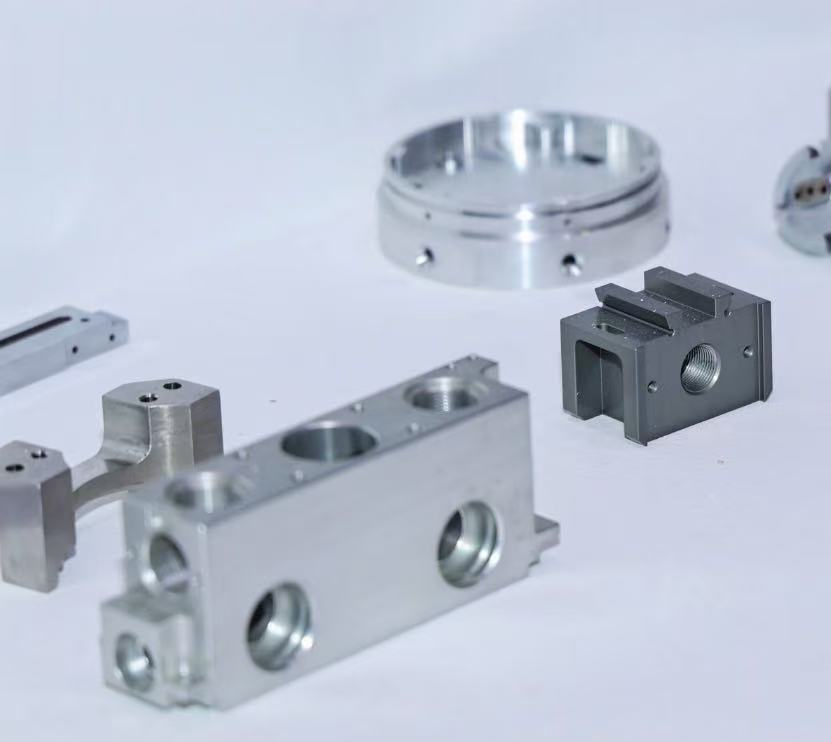
Picture this: You walk into a large hall buzzing with energy, where innovators showcase their latest breakthroughs in medical technologies. Statistically, the medical device market is projected to reach $612 billion by 2025. So, how can we effectively capture attention and engage with this thriving industry at the upcoming medical device development and manufacturing expo? This is where the planning meets execution, and it’s vital to understand how to stand out in a crowd.
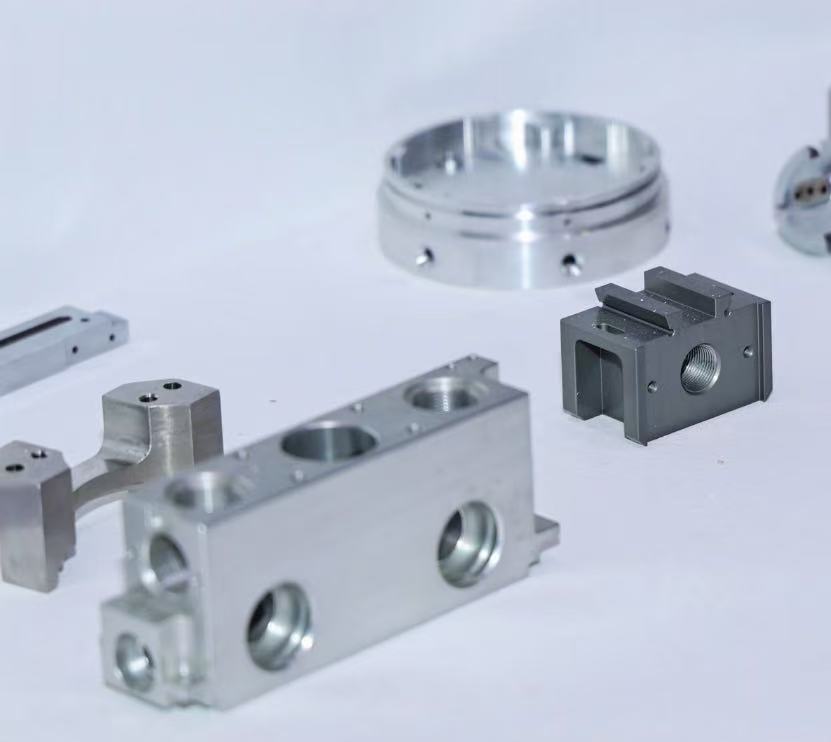
The Challenge of Showcasing Innovation
Let’s be real. In this field, it’s not just about having a neat product; it’s about conveying reliability and efficiency in manufacturing. I remember when I first attended a similar expo a few years back, and I saw small startups struggling to communicate their unique selling points. Most of them had cool gadgets, but the message got lost in flashy designs. So, here’s my first point: make technology accessible. If you can’t explain how your device works in simple terms, it may never reach the hands of the users who need it most.
What Makes an Impressive Display?
You gotta have your booth tell a story. Think elements like interactive demonstrations or patient scenarios—done right, they can spark interest and give context. I’ve seen brands integrate augmented reality to explain complex medical devices better. Engage the audience! Nowadays, attendees want more than a business card; they want an experience that resonates.
Shifting Perspectives: The Future of Manufacturing Shows
Now let’s take a step into the future—what’s cooking behind the scenes? The medical device development and manufacturing expo is evolving. With technology moving at breakneck speed, old methods just won’t cut it. For instance, the integration of AI in manufacturing processes is revolutionizing the way we build medical devices. I absolutely see a shift where companies will prioritize AI-assisted tools to reduce human error and improve efficiency. The challenge will be for manufacturers to adapt quickly and effectively. It’s all about leveraging new tech to enhance production lines—after all, the margin for error in healthcare is razor-thin.

Real-world Impact
What does this mean for us, the buyers and the innovators? First, we’ll have more custom solutions that address specific problems. I have noticed that successful manufacturers aren’t just meeting demands—they’re anticipating them. To me, that’s a game-changer. When a manufacturer can predict trends and address user pain points before they become widespread issues, that’s where true innovation lies.
In closing, here are a few things to keep in mind while navigating the expo: clarity in communication, engaging presentations, and an eagerness to embrace new technology. Focus on how your product improves life, not just how it works. It’s essential to keep the conversation going with potential partners and clients, and remember to follow up! I believe that these lessons could transform the way we engage with each other in this dynamic field. And for those eager to dive deeper into the next wave of medical innovations, keep an eye on ITES 2026—it’s going to be a spectacular showcase.