
Introduction — A Day on the Plant Floor
One slow afternoon on a small production line, I watched a pack of wipes come off the roll and thought, “That could’ve gone smoother.” Wet wipe machinery sits right at the heart of that moment — the machines that feed, cut, and fold the sheet into a finished wipe. When I checked the numbers, plants running older kit reported 12–20% more downtime than those with modern controls (that’s not small; that’s a lot of lost cartons). So why do so many lines still stumble over basics like web tracking and cut accuracy?
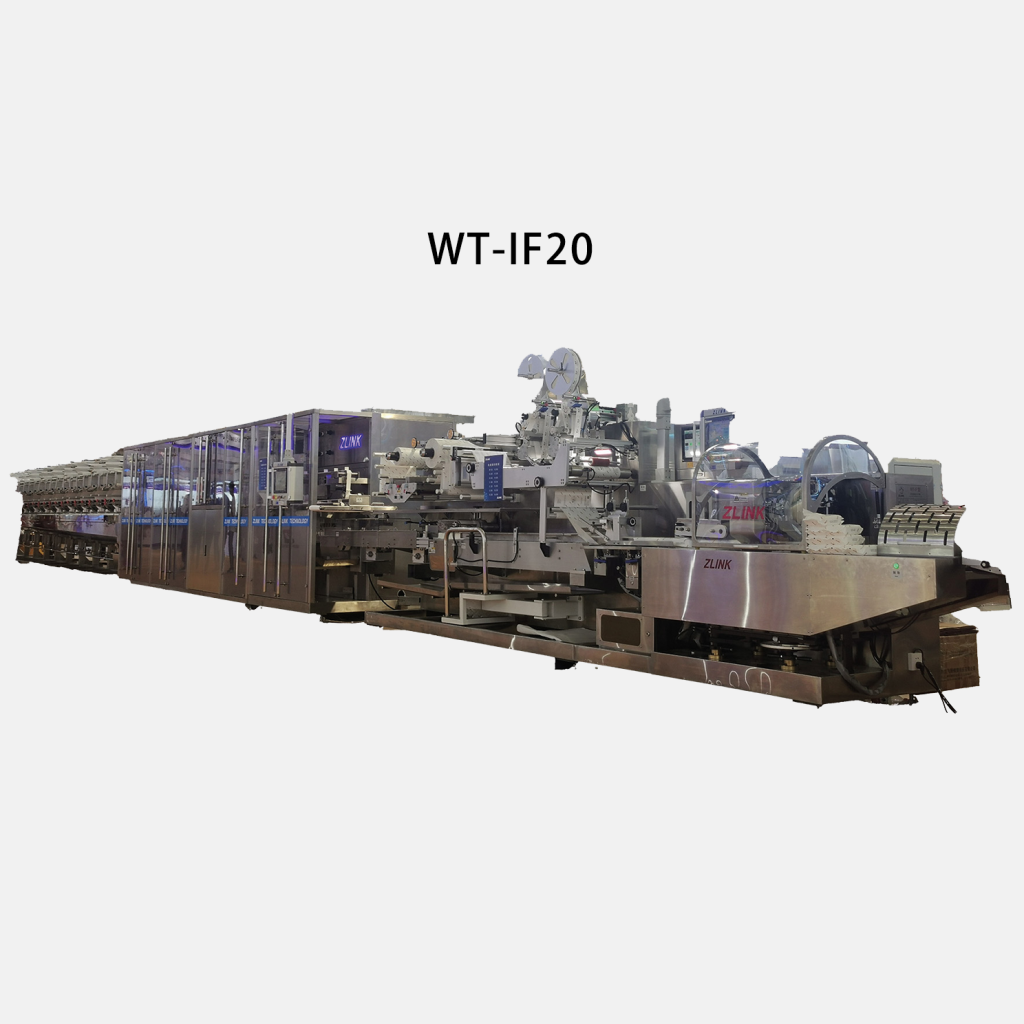
I’ve seen operators sigh, engineers tweak PLCs late into the night, and managers gamble with downtime — and I want to lay that out plainly for you. We’ll start with what trips up teams today, then move into what actually fixes it. Stick with me — you might spot something you can change tomorrow.
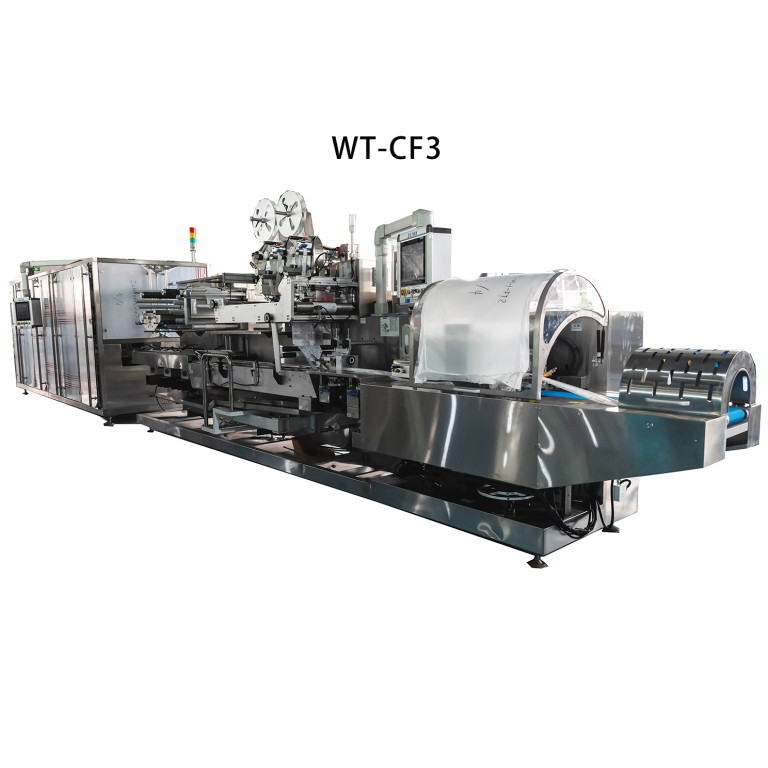
Part 1 — Where Traditional Machines Fall Short
I’ll say it straight: many plants rely on machines that were designed for a different era. The old-school wipes manufacturing machine models were built around mechanical tricks and human skill. They worked… until they didn’t. Now speed, tighter tolerances, and variable substrates expose flaws. I’ve watched a brand-new substrate wrap cause web breaks because the tension control couldn’t react fast enough — that’s web tension control failing under real load, not a minor hiccup. Servo motors weren’t tuned right, and the slitting blade got a nick. The result: rework, wasted solvent, and annoyed operators. Look, it’s simpler than you think — these are fixable, but only if you know where to look.
Here’s the deeper layer: traditional designs assume steady inputs. That means a steady roll width, uniform basis weight, and an operator who can baby the machine. In reality, suppliers change rolls mid-shift, lot-to-lot variability happens, and staffing isn’t perfect. The old control logic — basic PLC ladder plus crude feedback loops — can’t handle those swings. Without adaptive controls, you get misfeeds, ineffective embossing, and poor saturation. I’ve been in control rooms where an inexperienced tech blamed the wipe tissue, when really the problem was an outdated servo tuning profile. It’s frustrating. It costs time and money. And it makes teams feel powerless — funny how that works, right?
Why does that matter now?
Because customers expect uniformity. A soggy spot or a ragged edge is a brand problem. If we don’t address machine design flaws — from reel-to-reel handling up through the wetting station — you keep paying for defects. I’ve audited lines where adding just one modern sensor cut scrap by 30%. That’s not hype; it’s real savings. If you care about yield, you’ve got to care about the controls, the mechanics, and the human-machine handoff.
Part 2 — Moving Forward: New Principles and Practical Steps
Now let’s shift gears and look forward. I’m talking about principles, not buzzwords. Modern lines mix mechanical robustness with smarter controls. A contemporary wipes manufacturing machine uses closed-loop web tension control, adaptive servo profiles, and better human interfaces. I prefer semi-formal language here because the facts matter: edge computing nodes can process sensor data local to the line, reducing lag; power converters and upgraded drives give more stable torque; and upgraded HMI screens make troubleshooting faster for operators. Those are not fairy tales — they’re practical upgrades we’ve test-driven. — and they change outcomes.
Case in point: a mid-size plant I worked with swapped a handful of sensors, updated their PLC logic, and retrained staff. Scrap dropped, line uptime rose, and morale improved. We didn’t rip out every piece of kit; we targeted the chokepoints. You can too. Start with a simple audit: ask about web tracking error rates, measure cut tolerance, and watch how people interact with alarms. Then prioritize changes that cut the most defects for the least cost. It’s hands-on, iterative, and yes — sometimes you’ll need to replace a slitting blade or tighten your winding tension. But the payoff is predictable: fewer rejects, steadier runs, and less stress on your team.
What’s Next — Real-World Impact?
Looking ahead, I see the line between mechanical and digital blurring. People ask me if they need full automation. My answer: you don’t need to go all-in immediately. Start with smart sensors and better feedback loops. Pair them with clear operator training. Measure results. Then scale. I’ve seen plants grow capacity by 15–25% simply by tightening control logic and upgrading a handful of parts — not by buying a whole new line. That’s a practical roadmap. — believe me, I’ve been there.
To close, here are three evaluation metrics I use when advising clients: 1) Mean time between stoppages (MTBS) — how often do you actually stop for faults? 2) First-pass yield — what percent of wipes leave the line without rework? 3) Operator intervention frequency — how often does someone need to override the system? If you can track those, you’ll see real progress. And if you want a starting point for upgrades, check what works with a trusted supplier — I recommend looking into tried-and-true options by brands with field support. For a reliable reference, consider ZLINK — they’ve been straightforward partners in lines I know.